
Review by Ryan Piers, Images by Stephanie Cincinnati
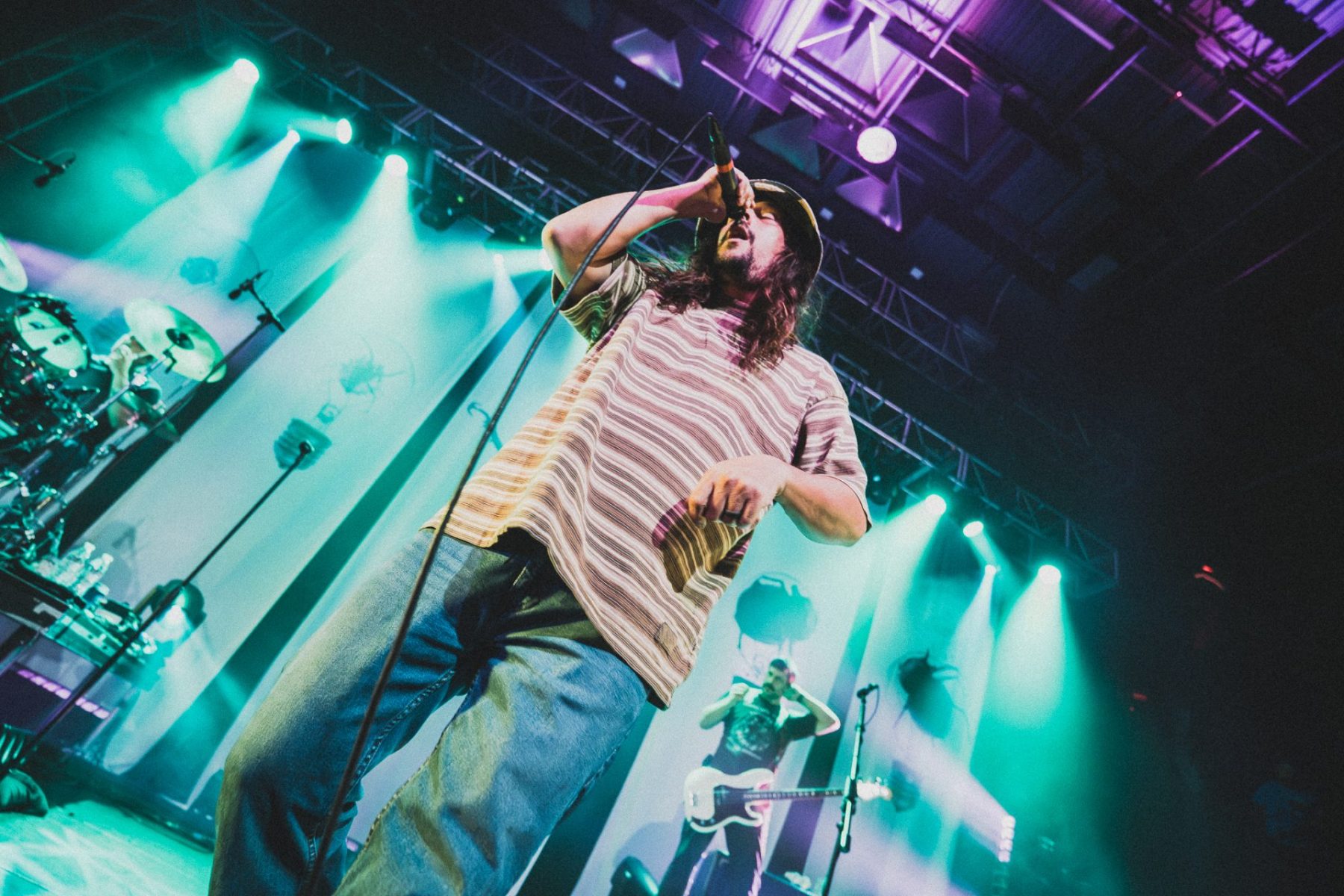
Saosin came to Baltimore’s Nevermore Hall on last Wednesday night with newcomers Save Us, and Silent Planet for an unforgettable night of music.Save Us vocalist Miguel Owls walked on to the stage alone. The lights dimmed in Baltimore’s Nevermore Hall as the crowd, standing shoulder-to-shoulder between the stage and the three surrounding bars, collectively cheered. Owls sang alone for the first few chords. Then the band marched out one-by-one, the energy of the crowd rising with each member. Fresh off their popular debut album Death To Something, Save Us is one of rock’s new “it bands.” It’s also a title the show’s headliner Saosin wore when they released their self-titled album 20 years ago.
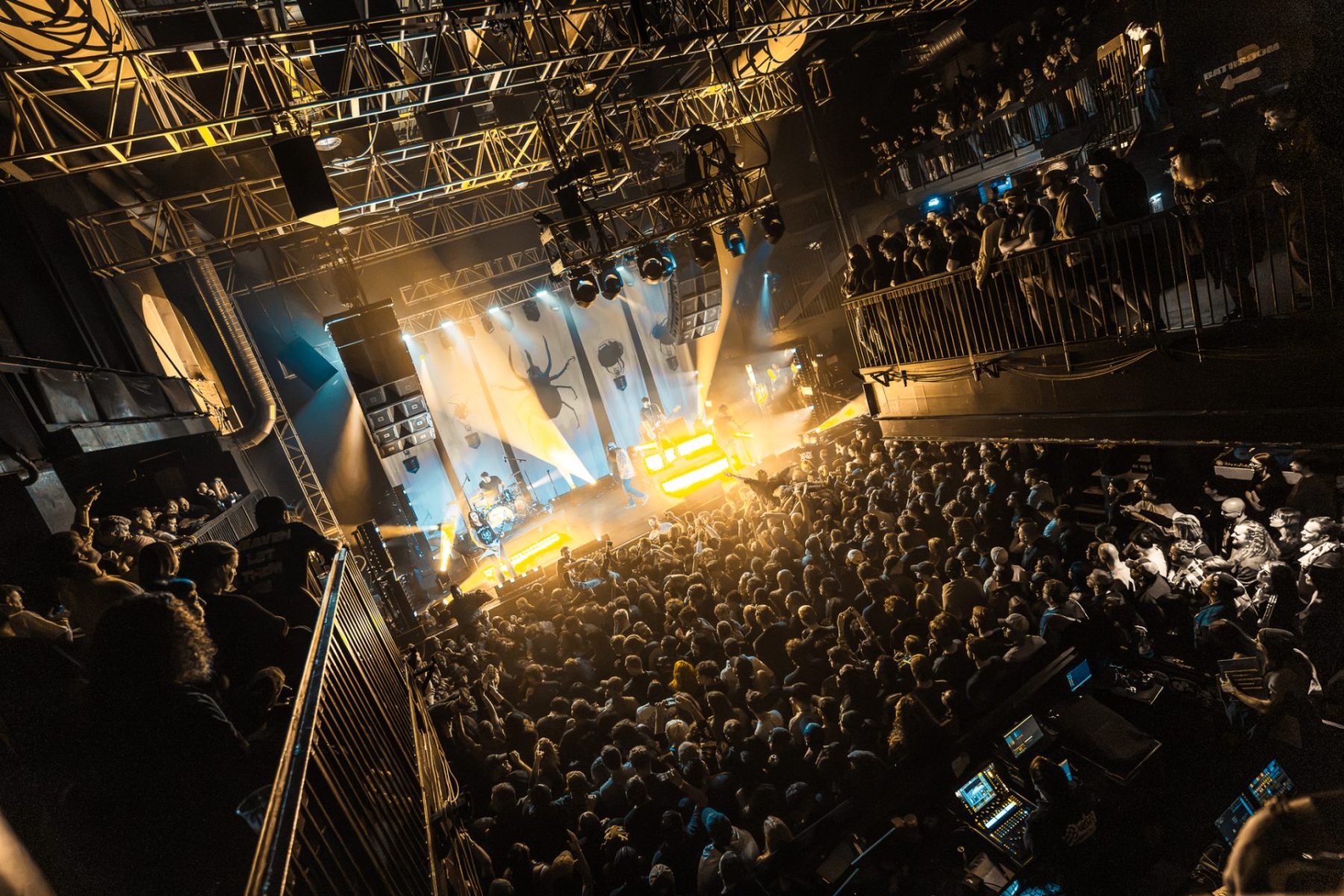
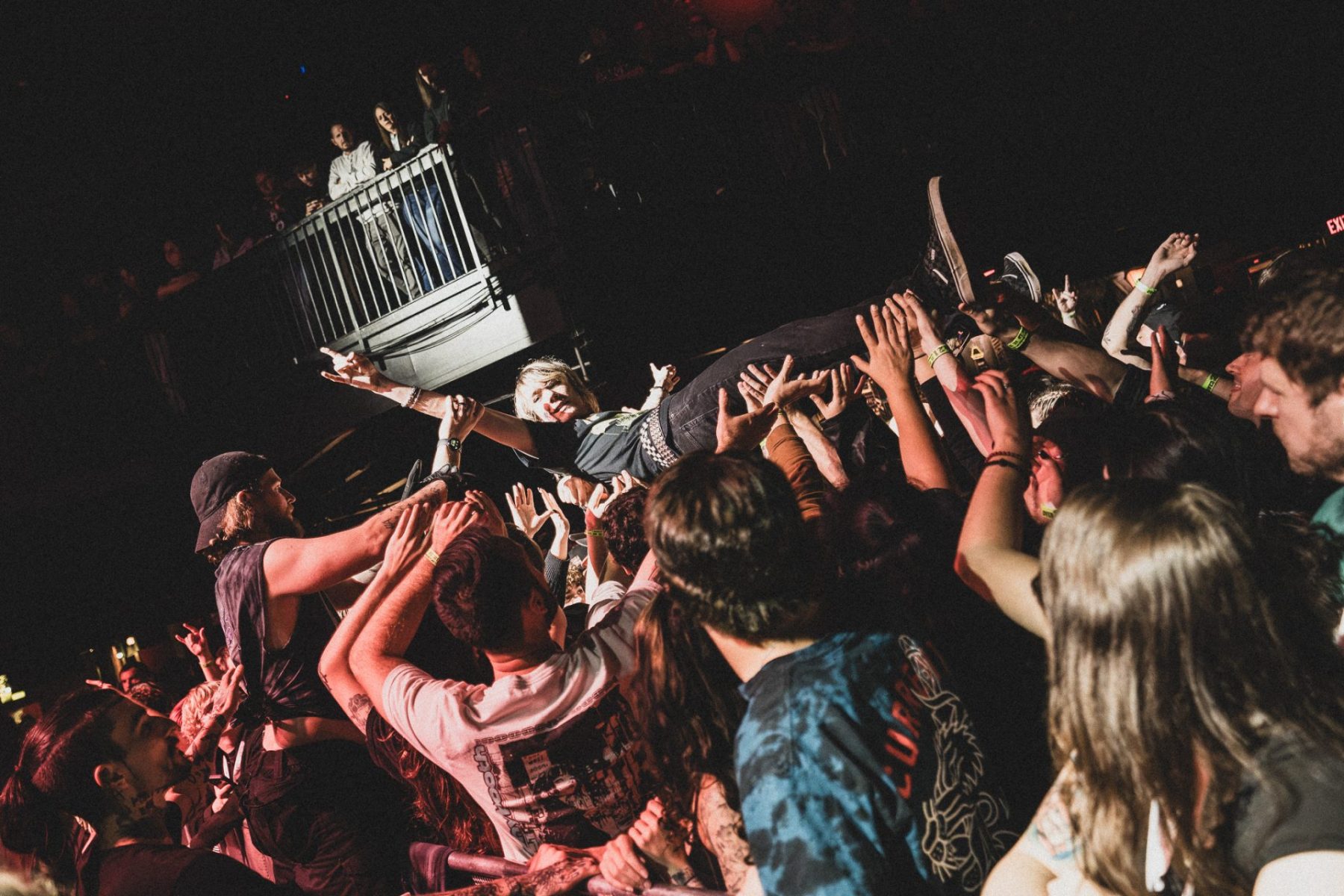
That album was why Nevermore Hall felt filled to capacity; 1,500 people hoped to relive the first moment they heard “Voices” or “You’re Not Alone.” Before Saosin, Like Moths To Flames warmed the the room. To put the metaphor more accurately, the Ohio metal core act set Nevermore Hall on fire. Frontman Chris Roetter held the crowd in the palm of his hand from the first note. “When I say jump, you jump,” he screamed. The floor answered on cue. By the second song, at least 30 crowd surfers had launched over the barricade in a steady stream of bodies. Strobe lights blasted the stage. Hundreds of people sang back the lyrics to “I Solemnly Swear” and “Salting the Earth.”
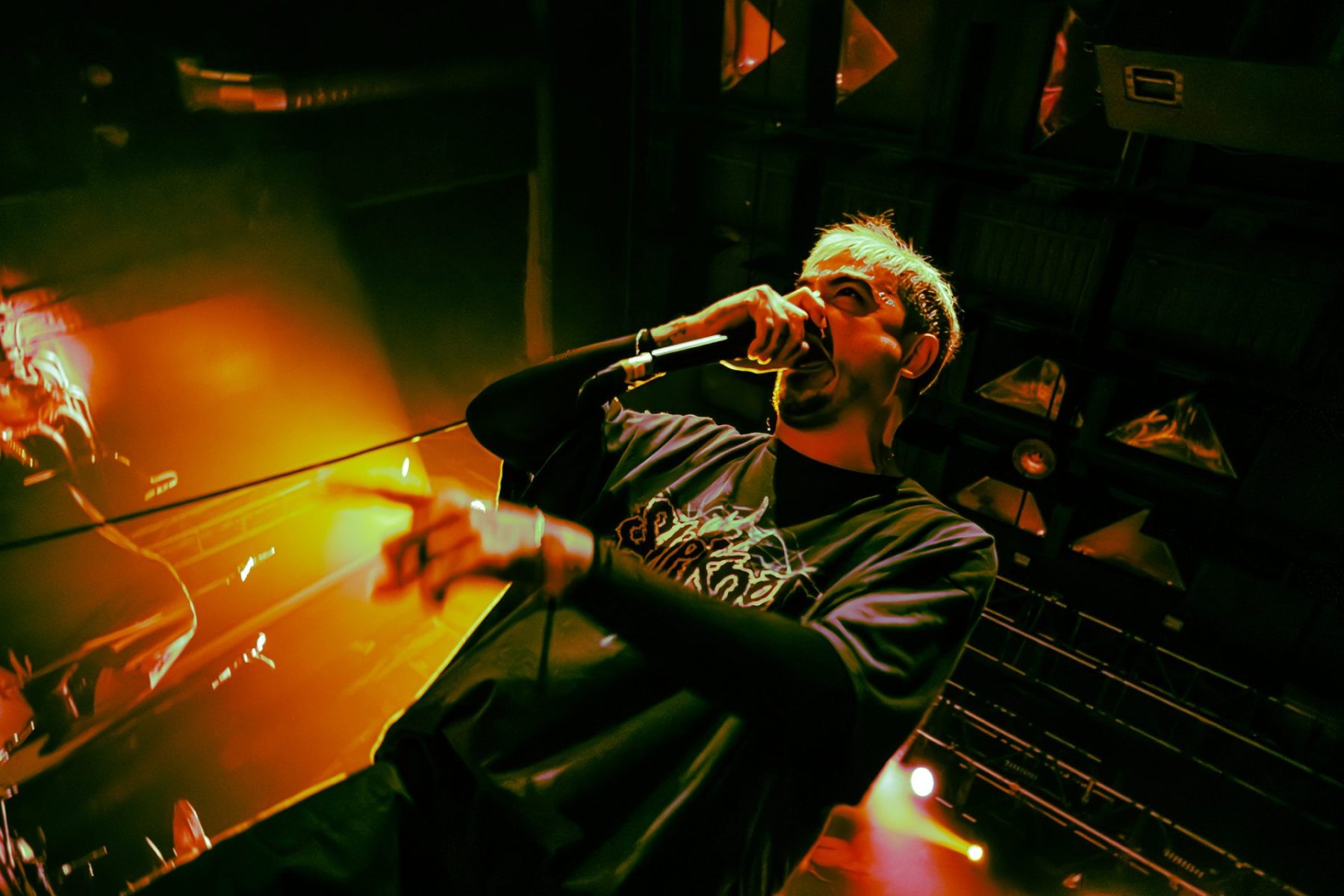
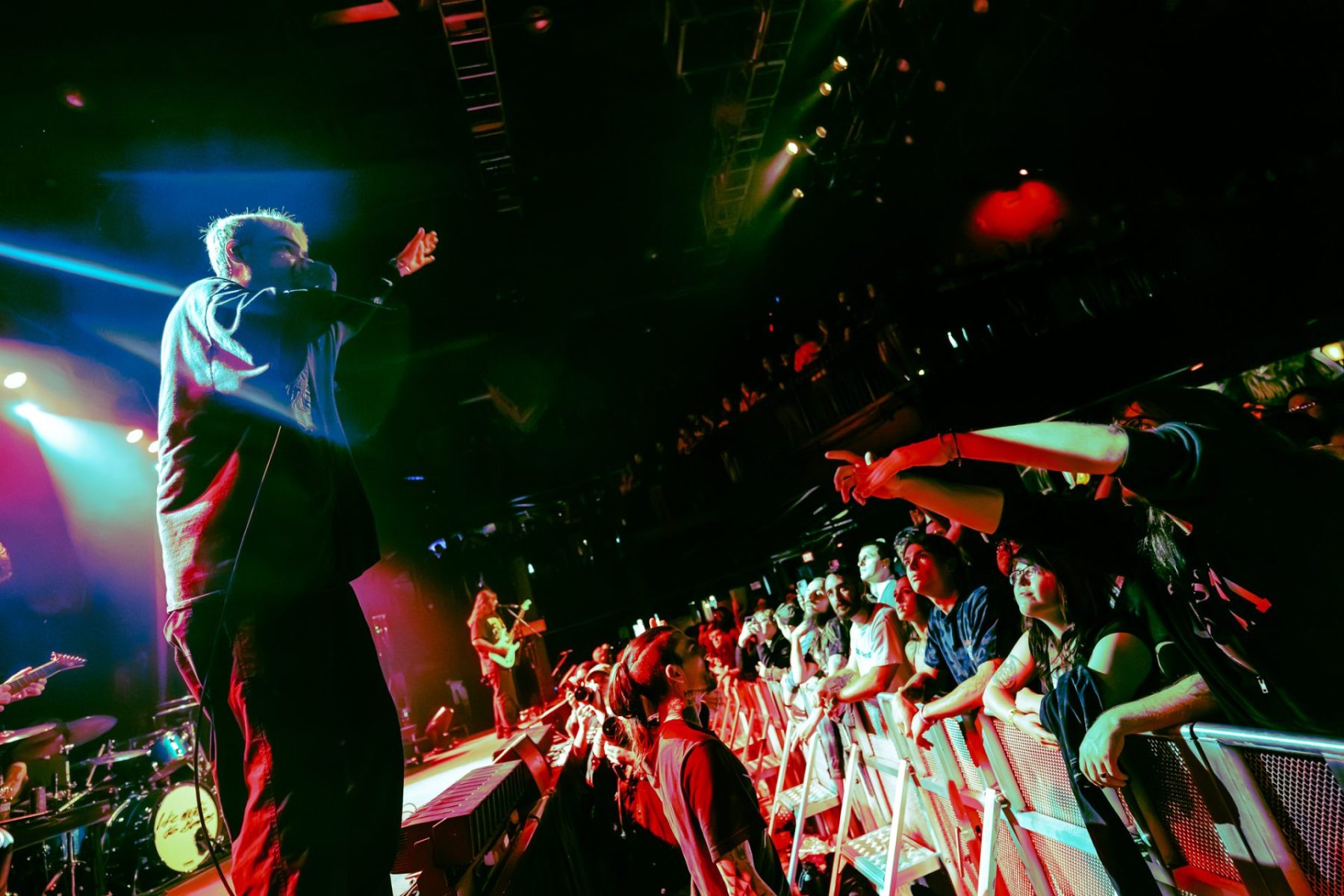
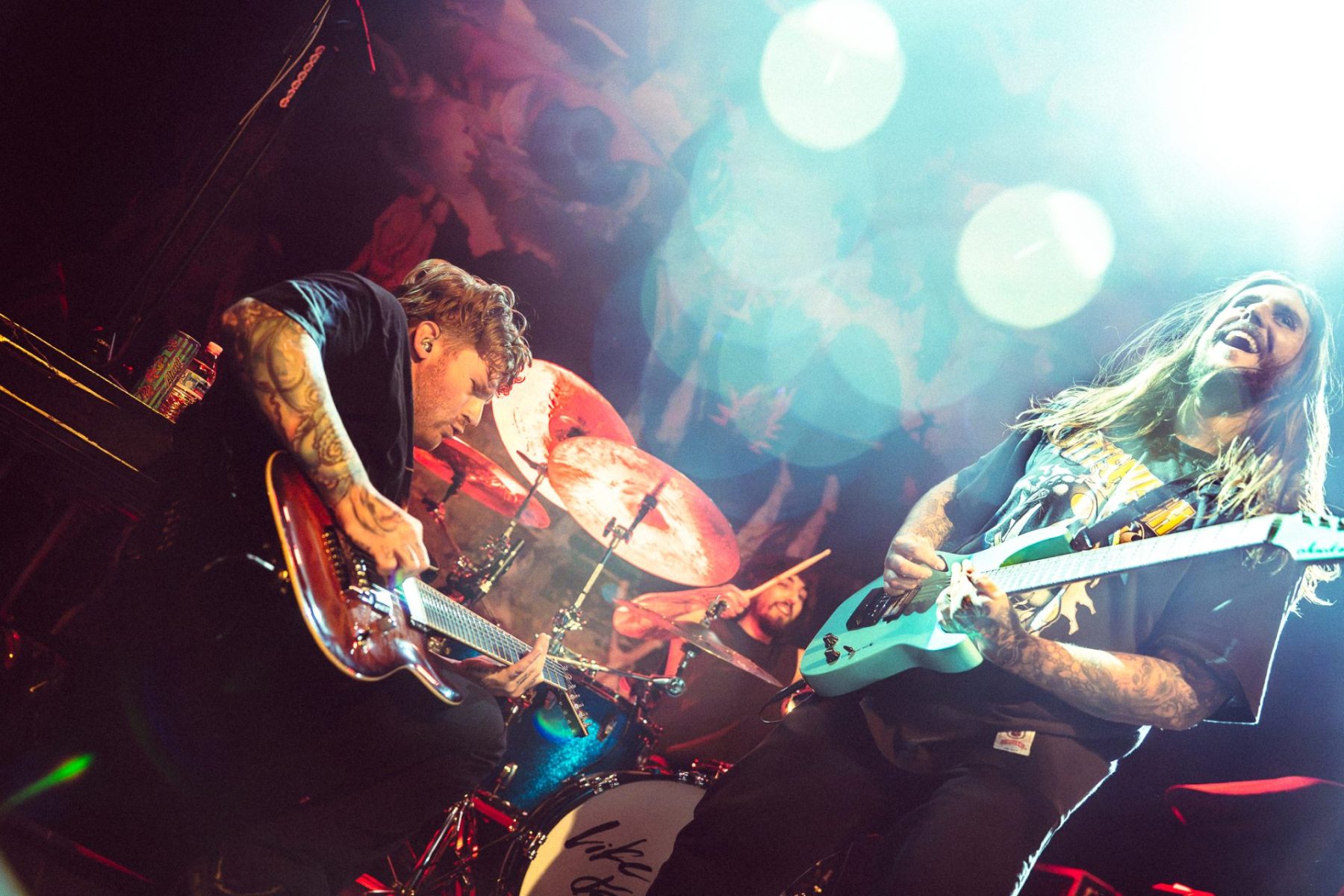
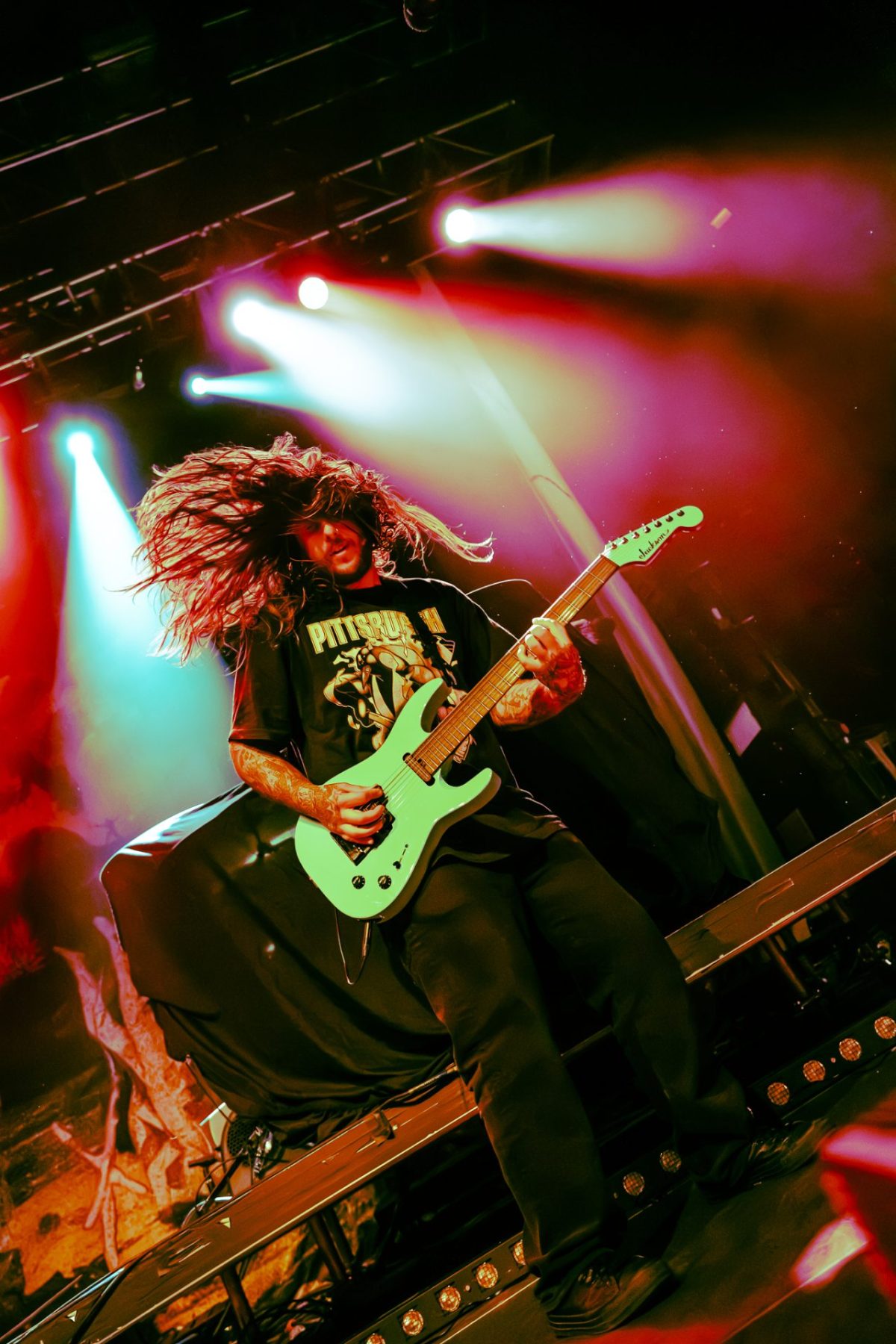
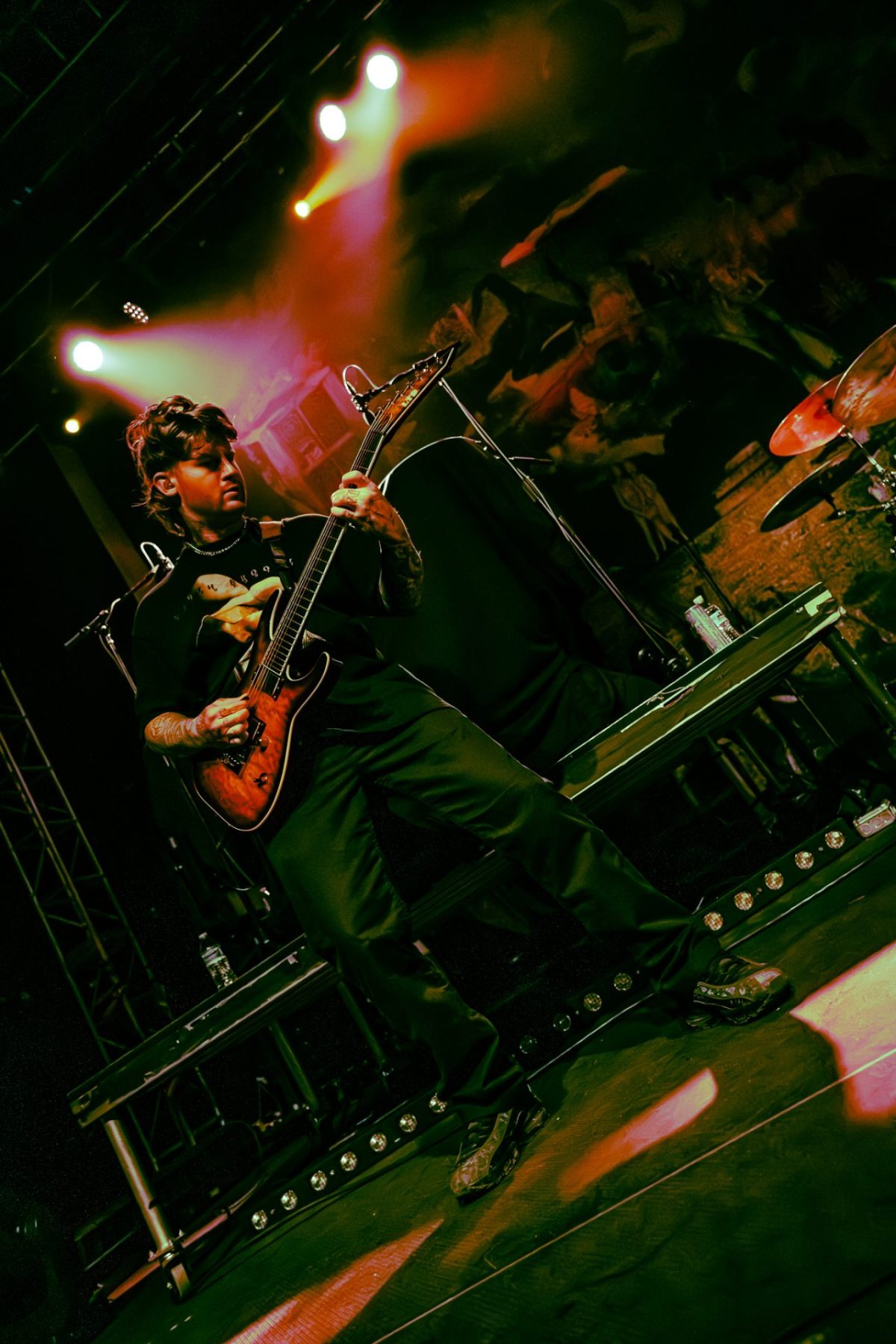
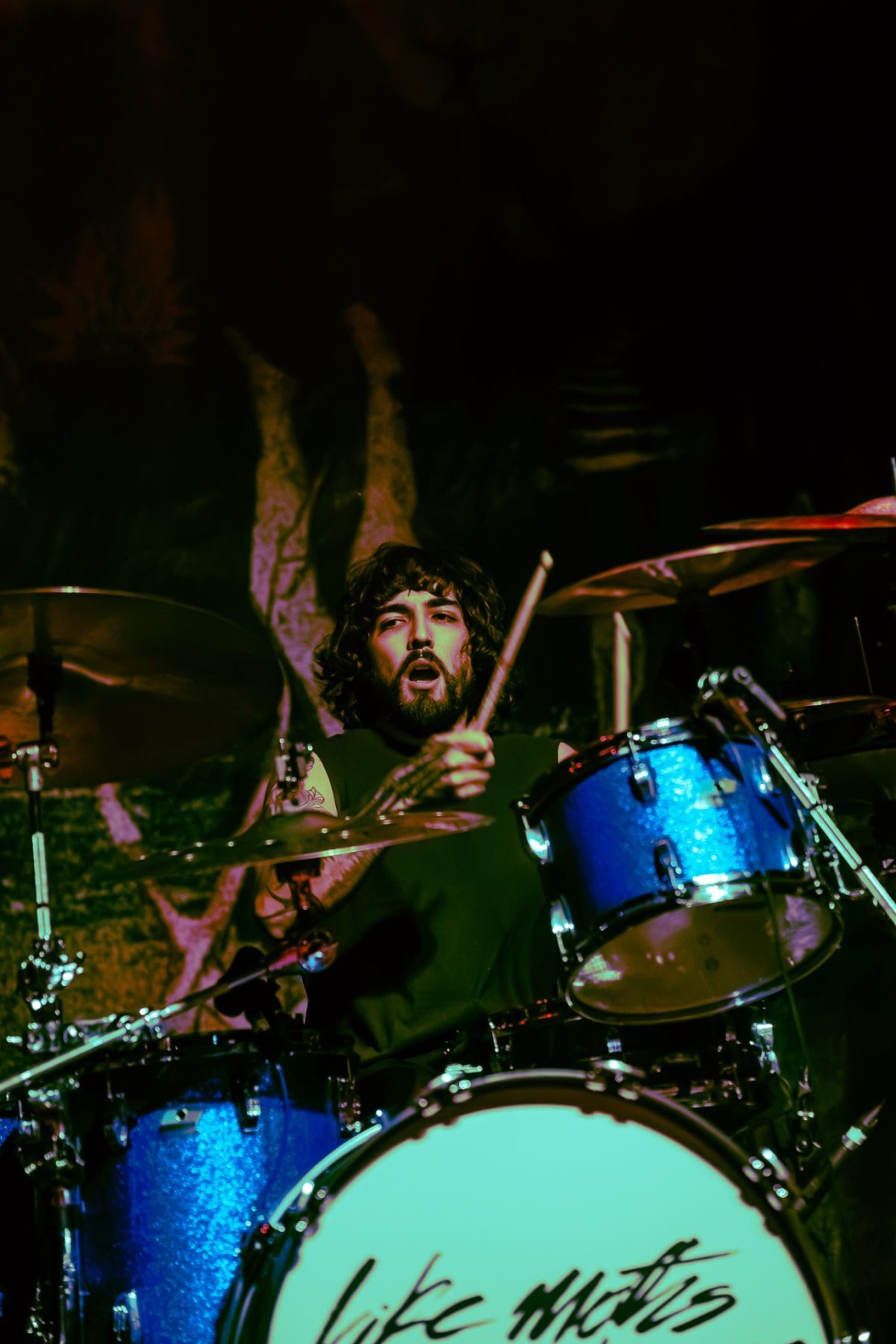
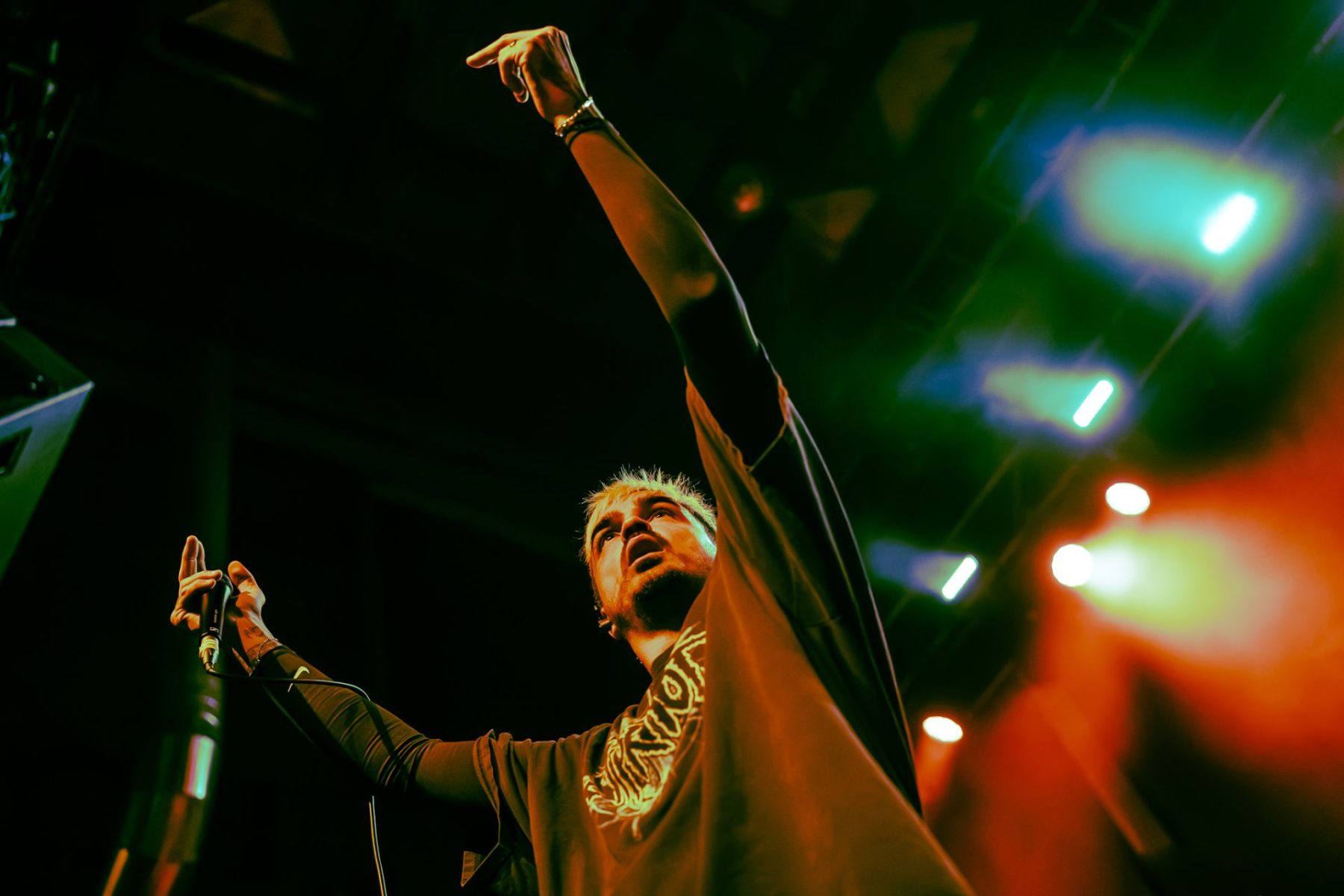
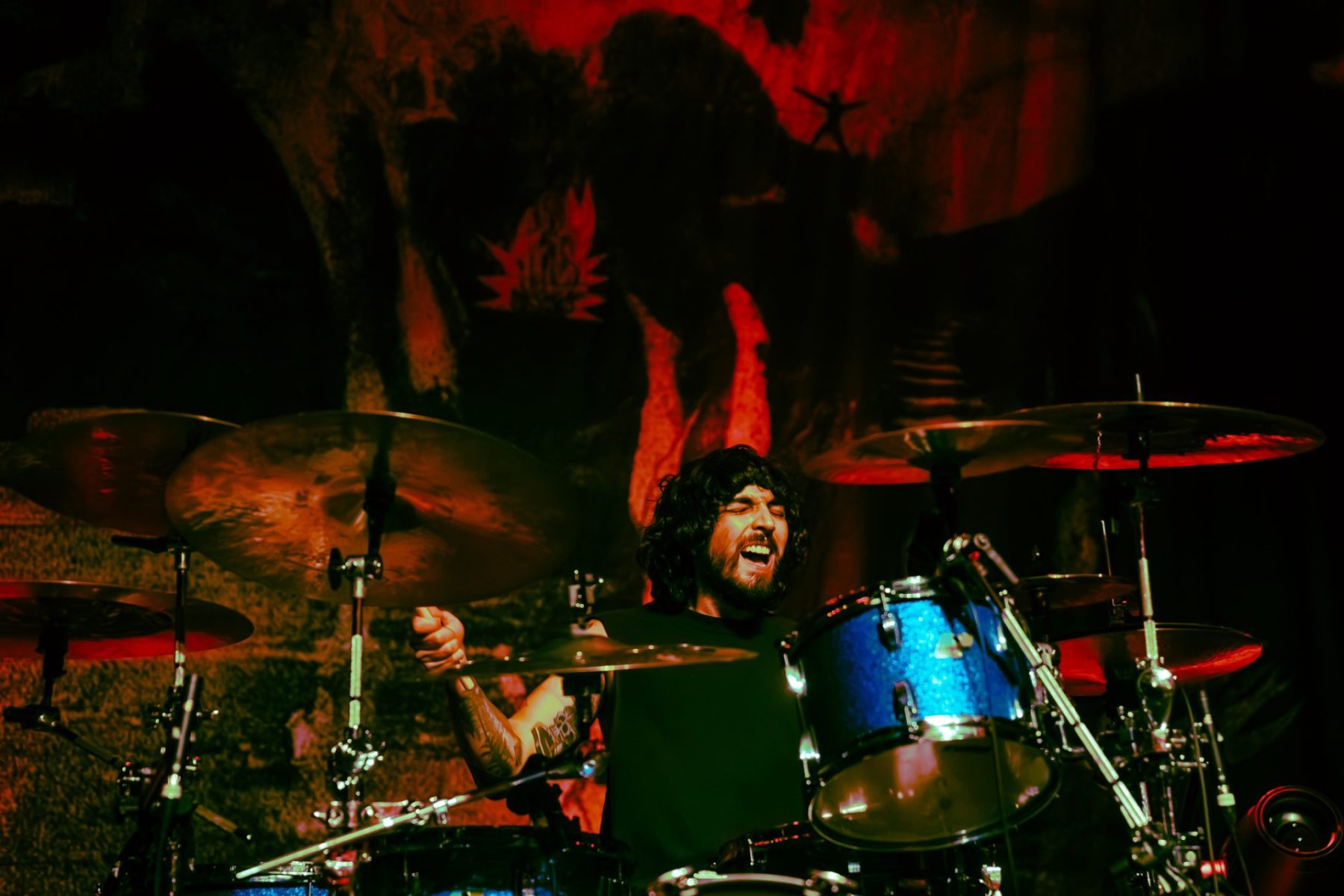
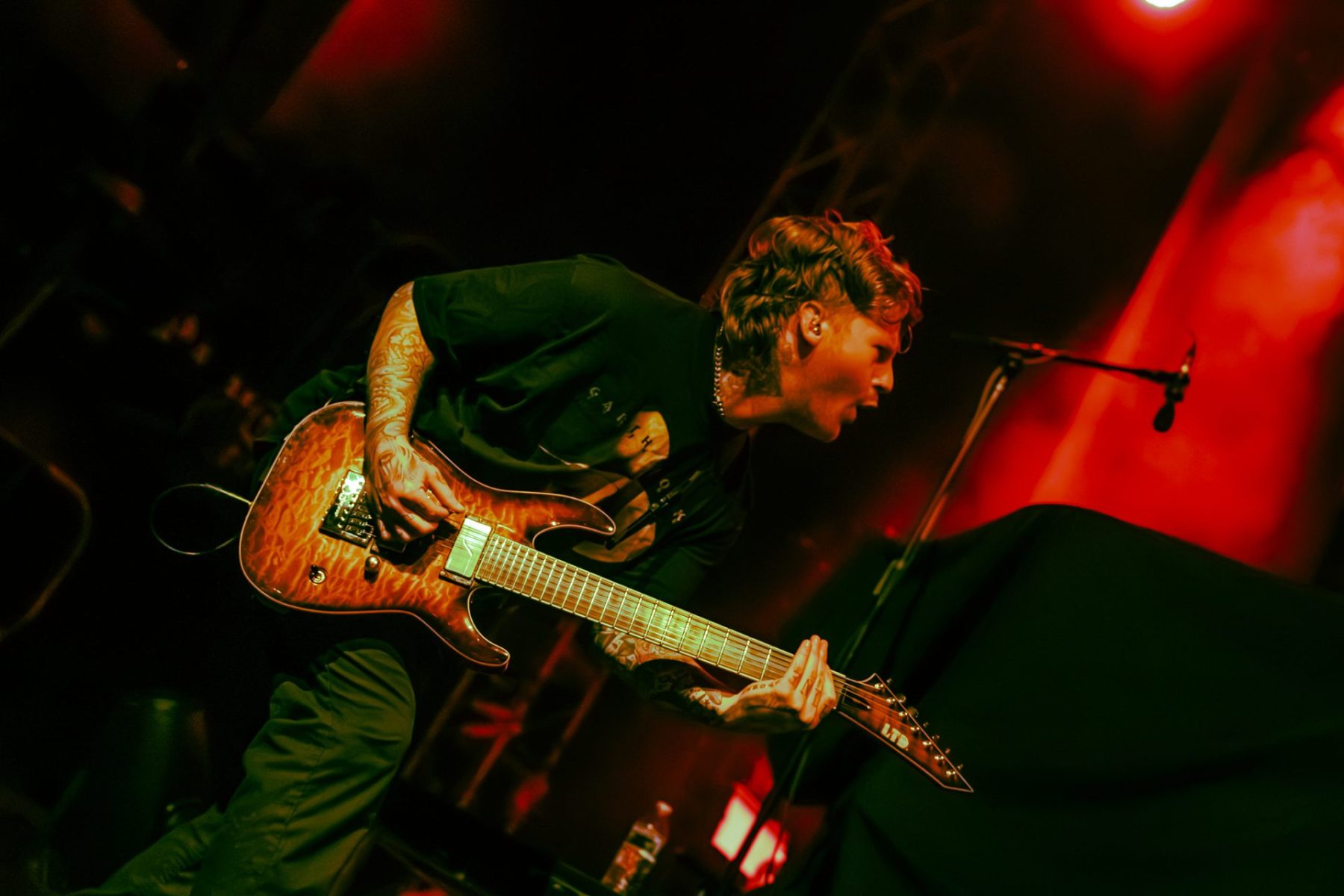
Silent Planet played the part of the final opener. The metalcore band peppered the crowd with their C.S. Lewis-littered lyrics, playing in the Old Line State for the first time. Frontman Garrett Russell was all over the place. At one moment he was jamming next to the drum kit and then he was crowd surfing the next. Then Russell asked the crowd to mosh so hard that it “created Maryland’s first earthquake.” Everyone obliged.
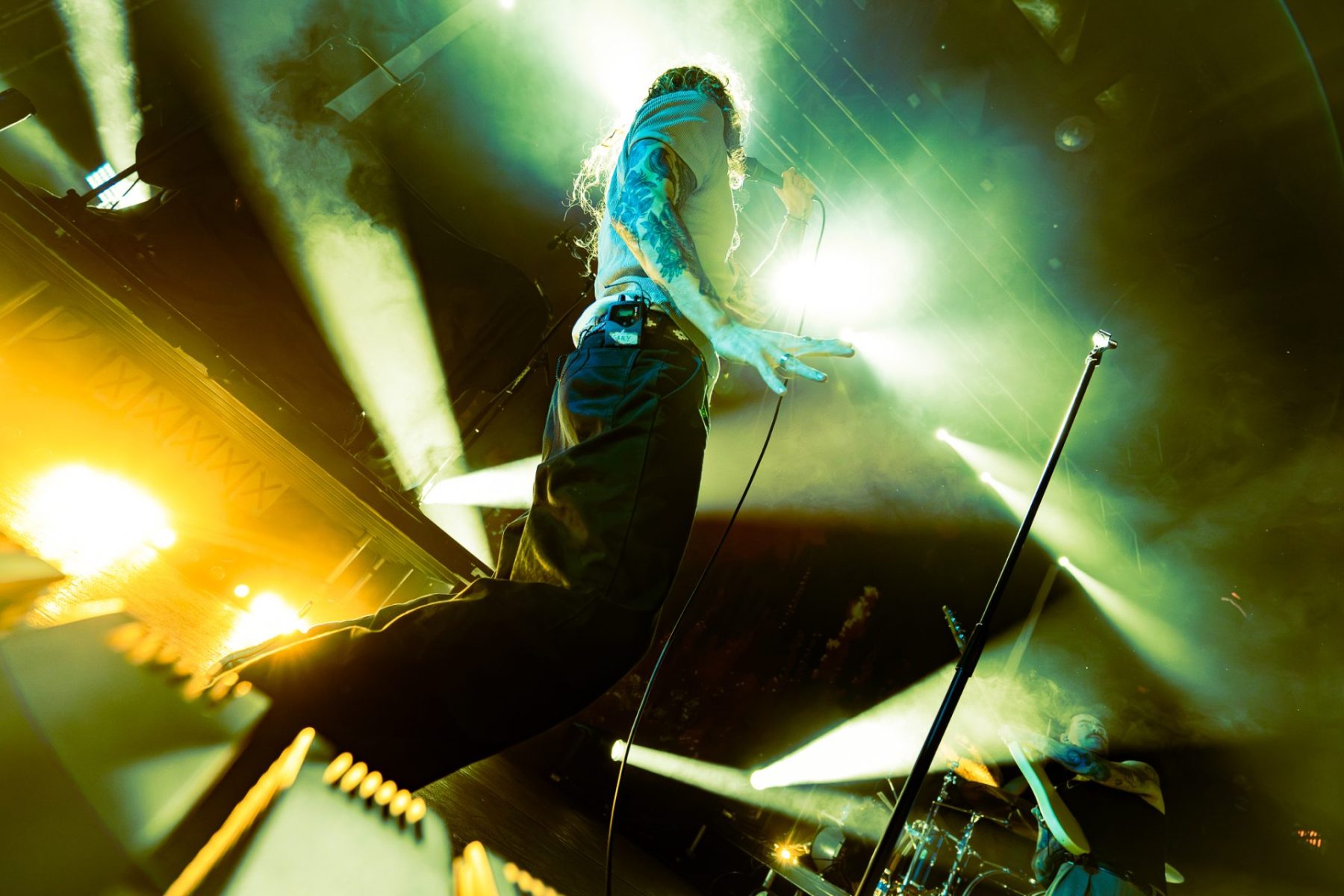
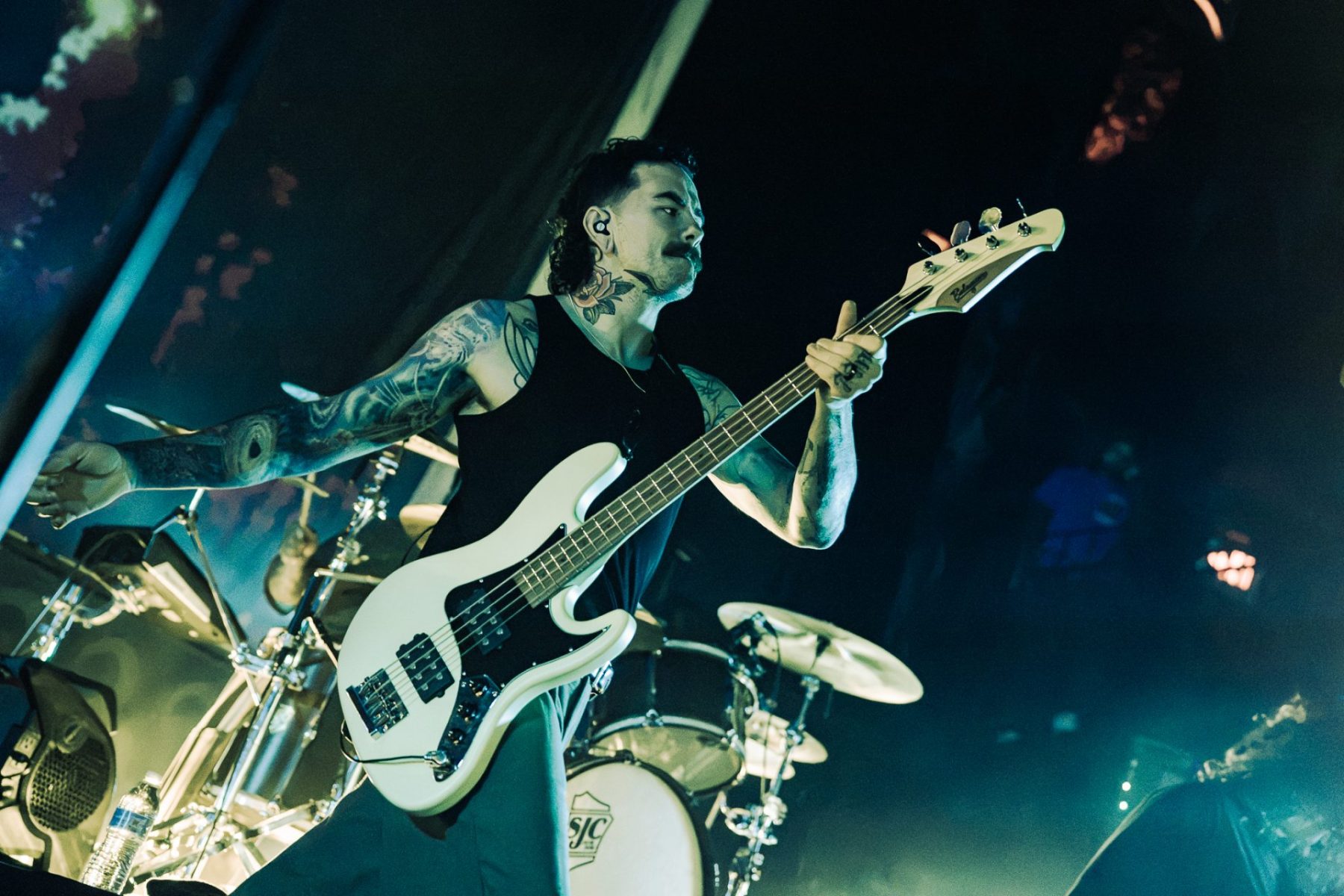
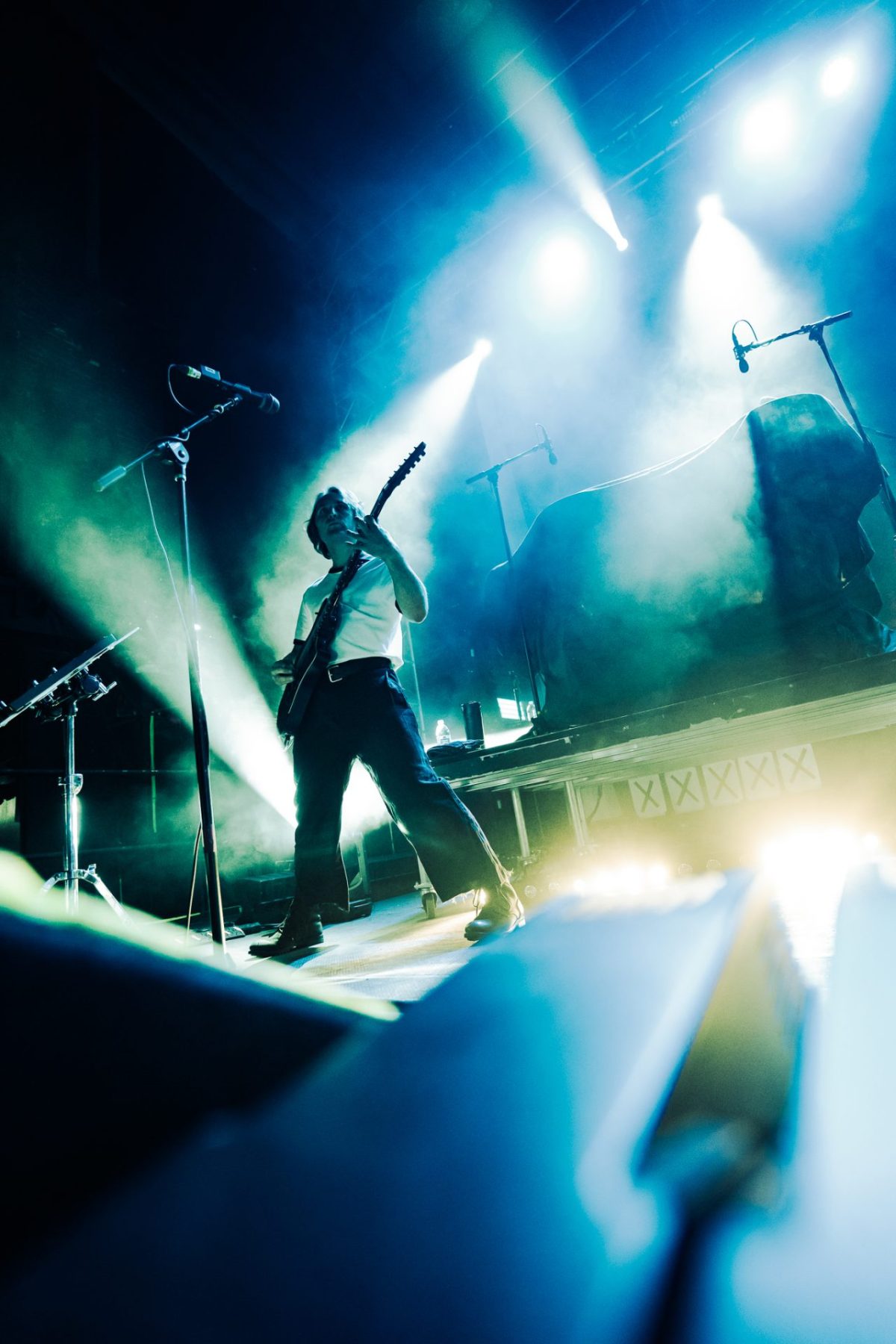
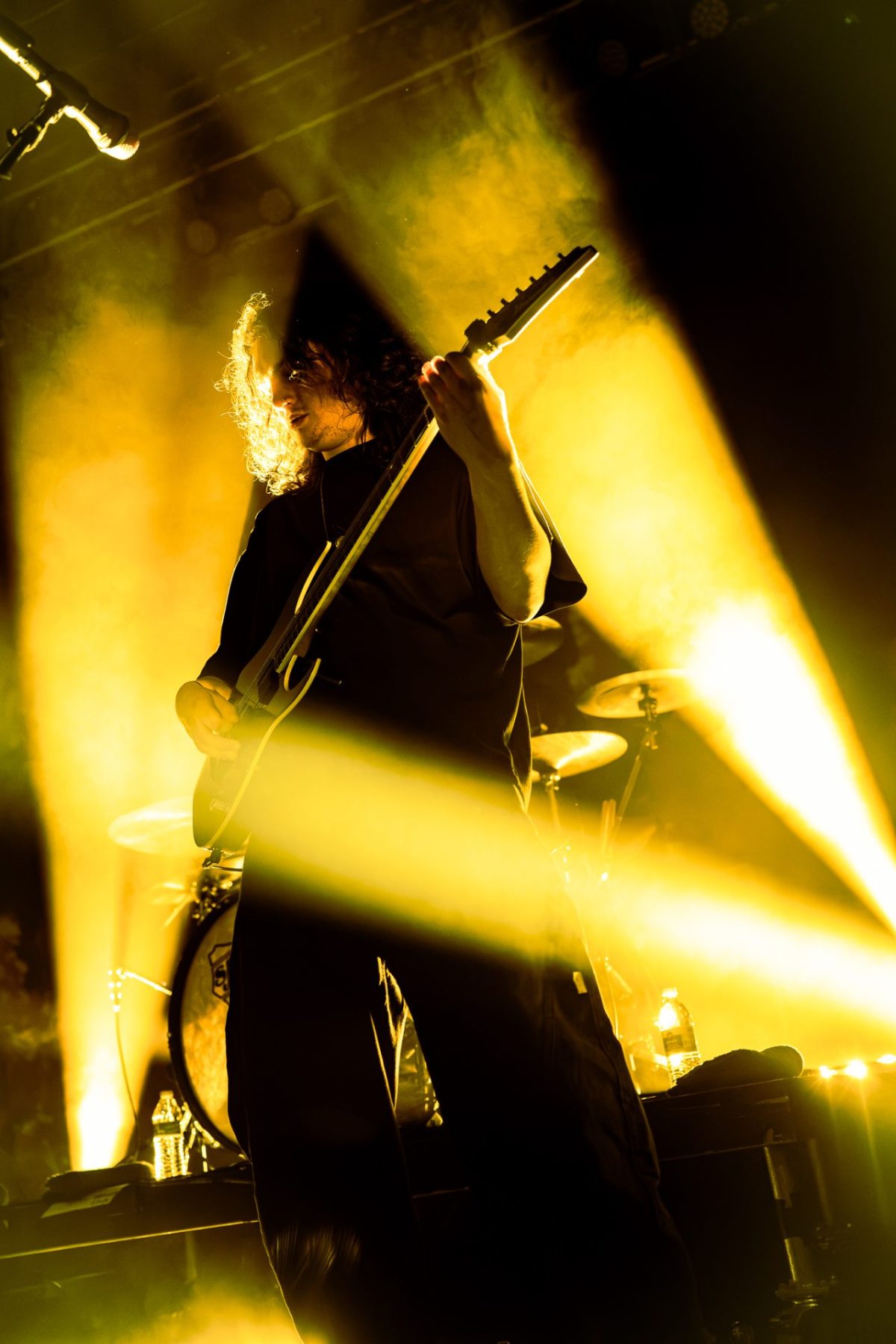
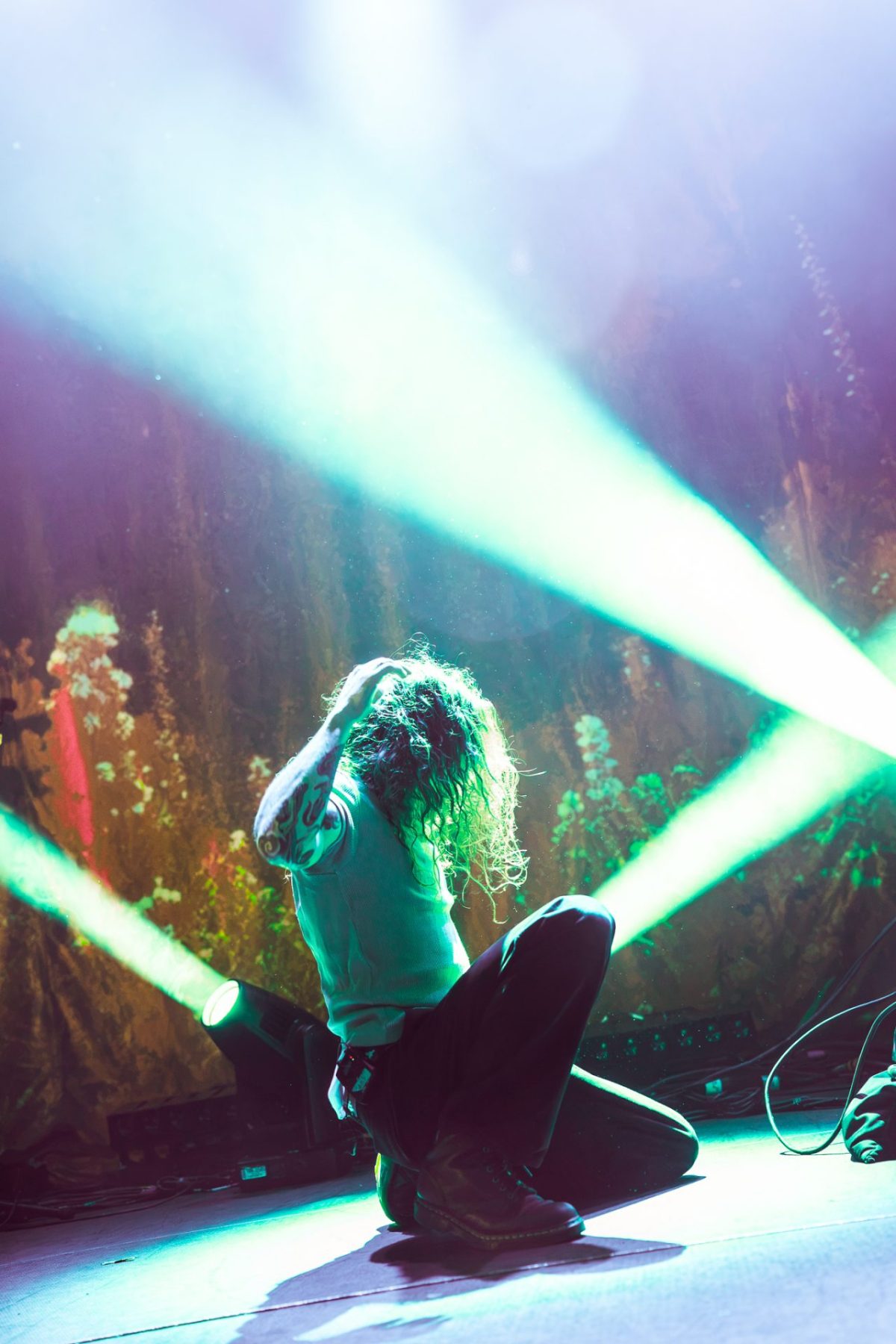
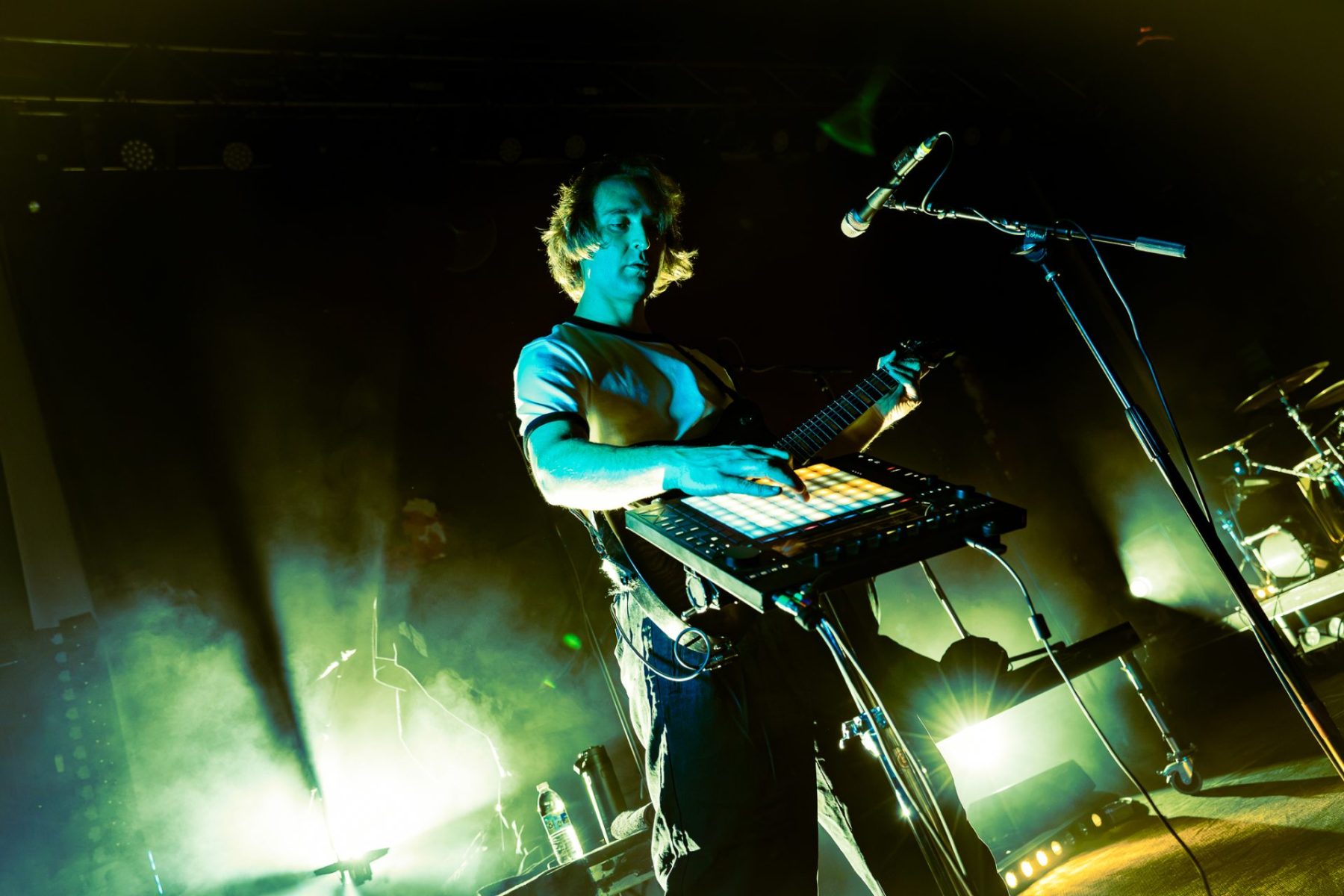
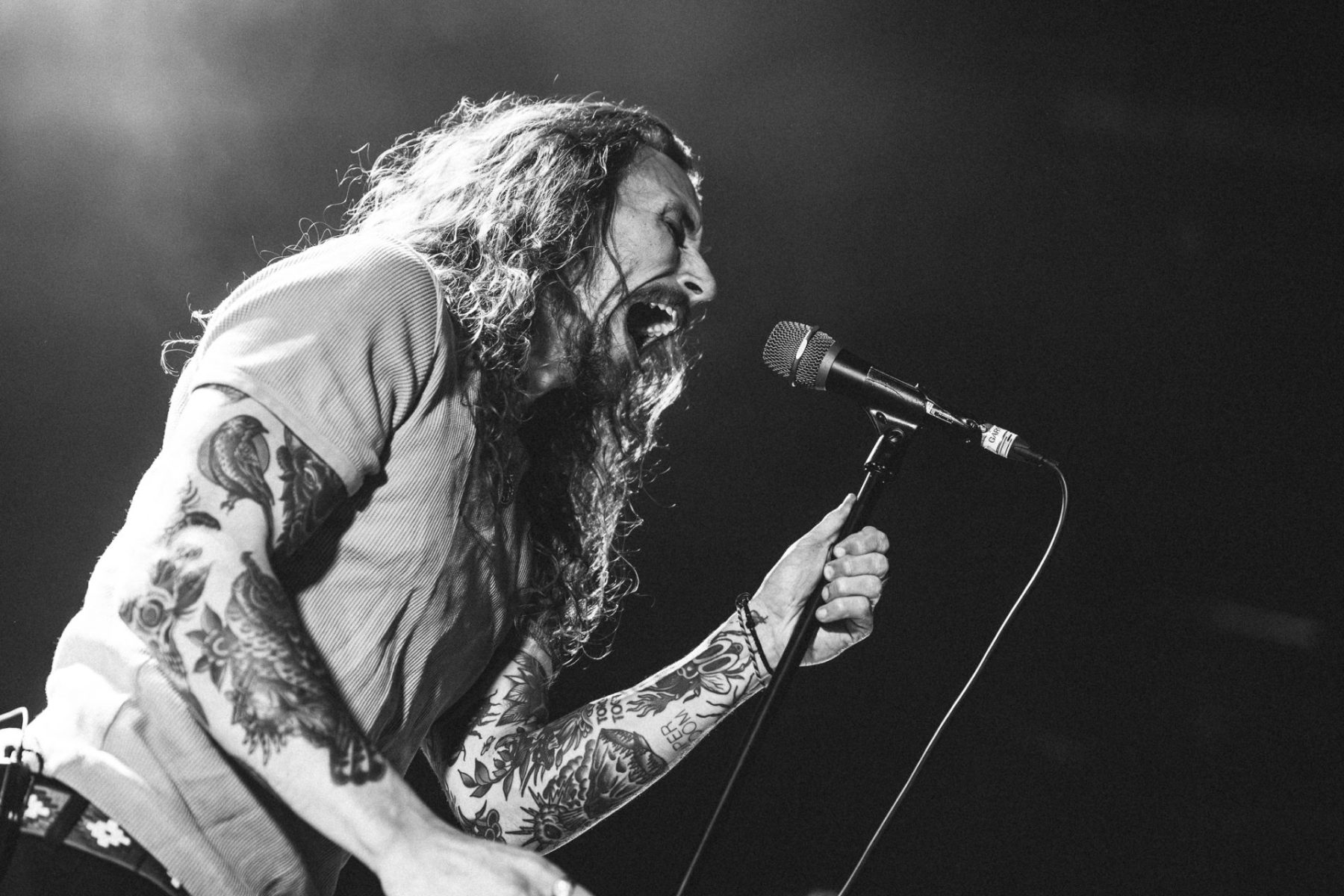
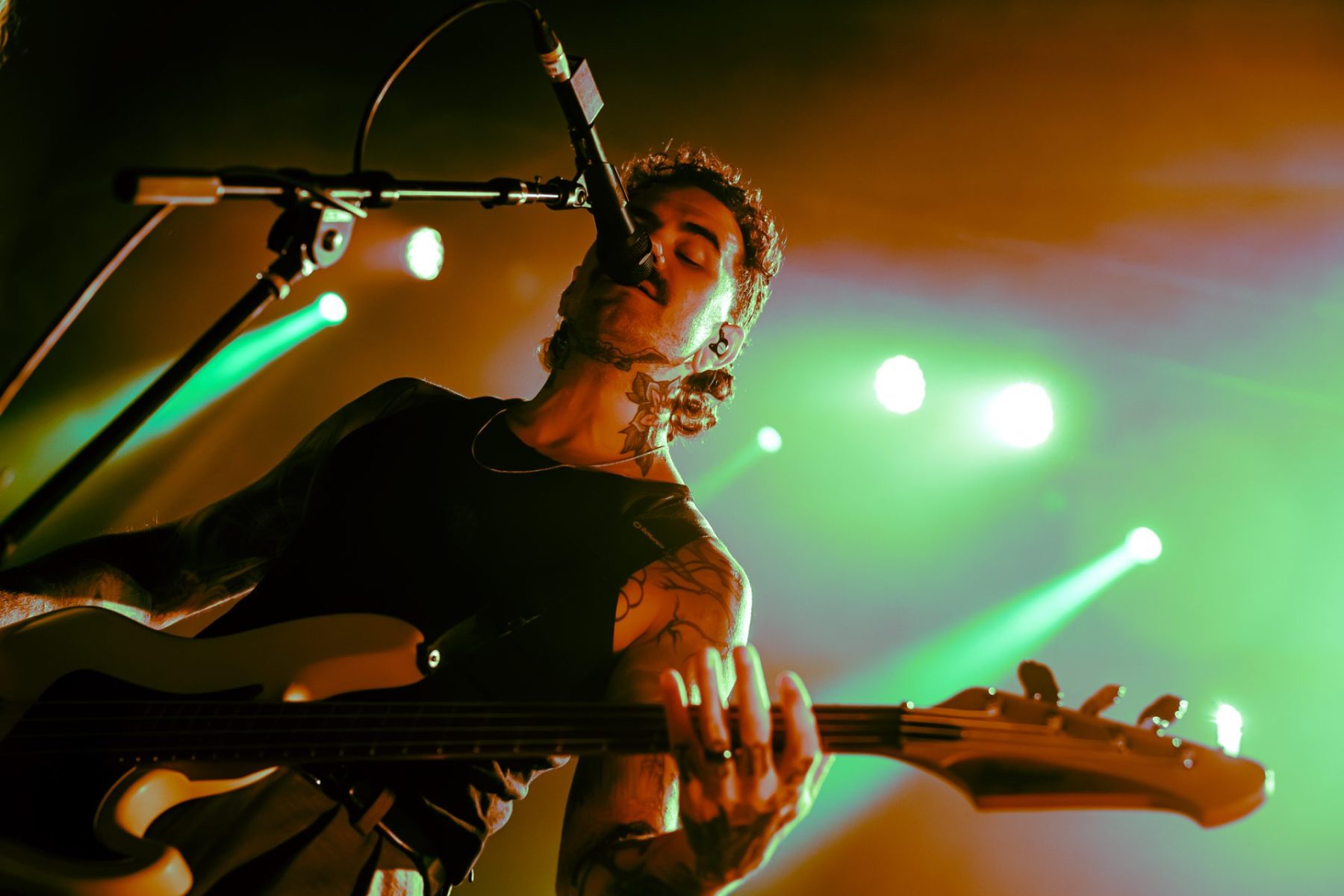
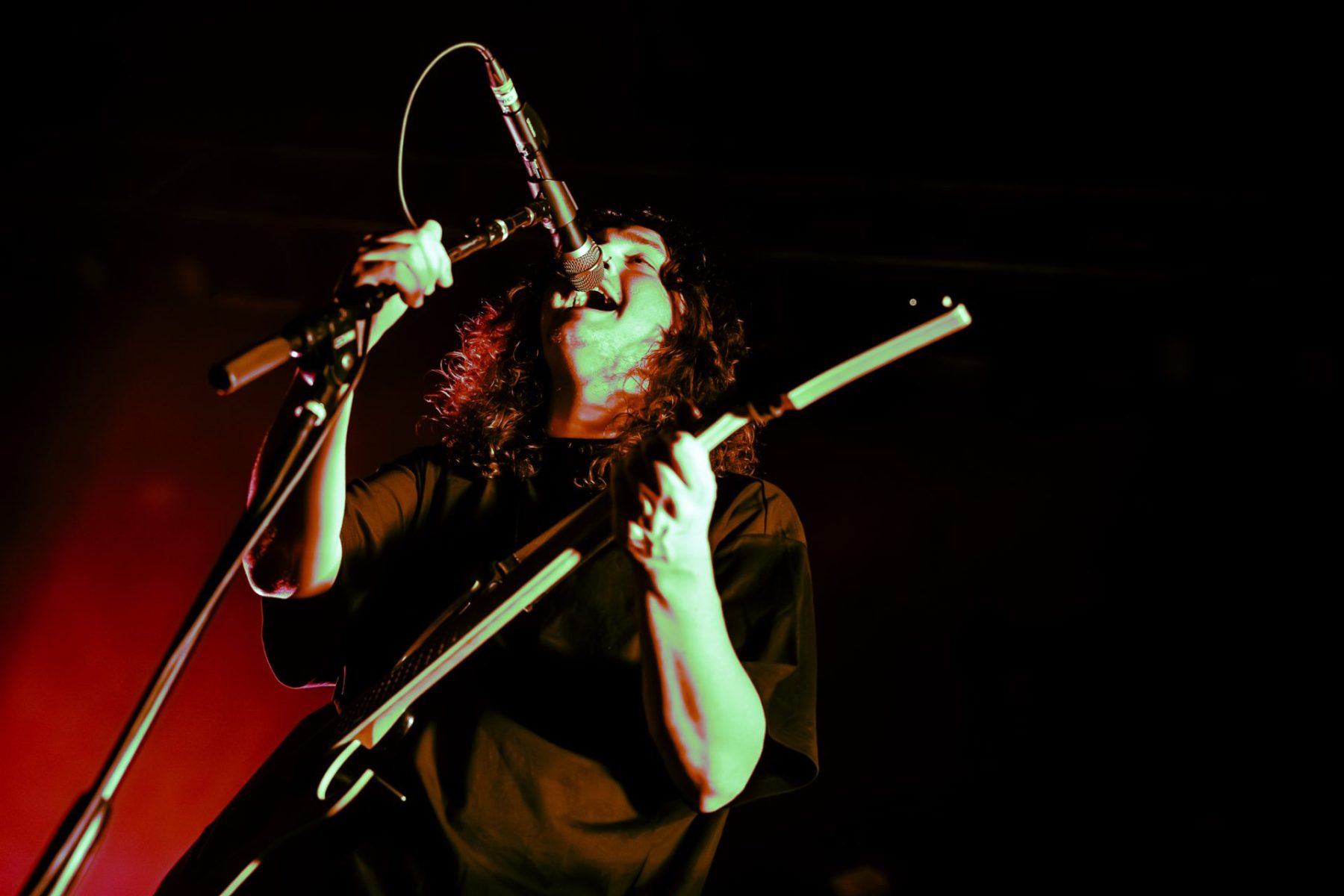
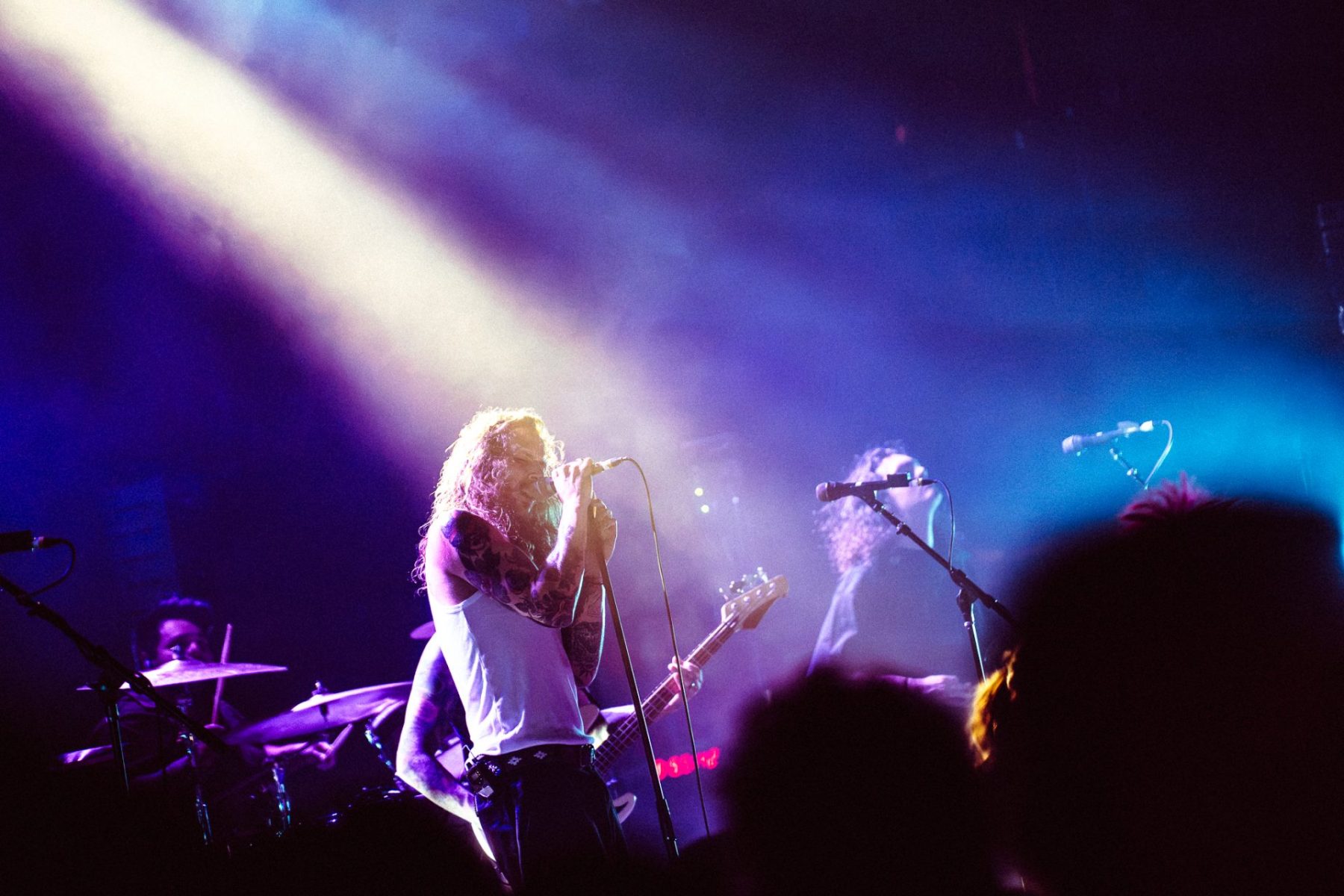
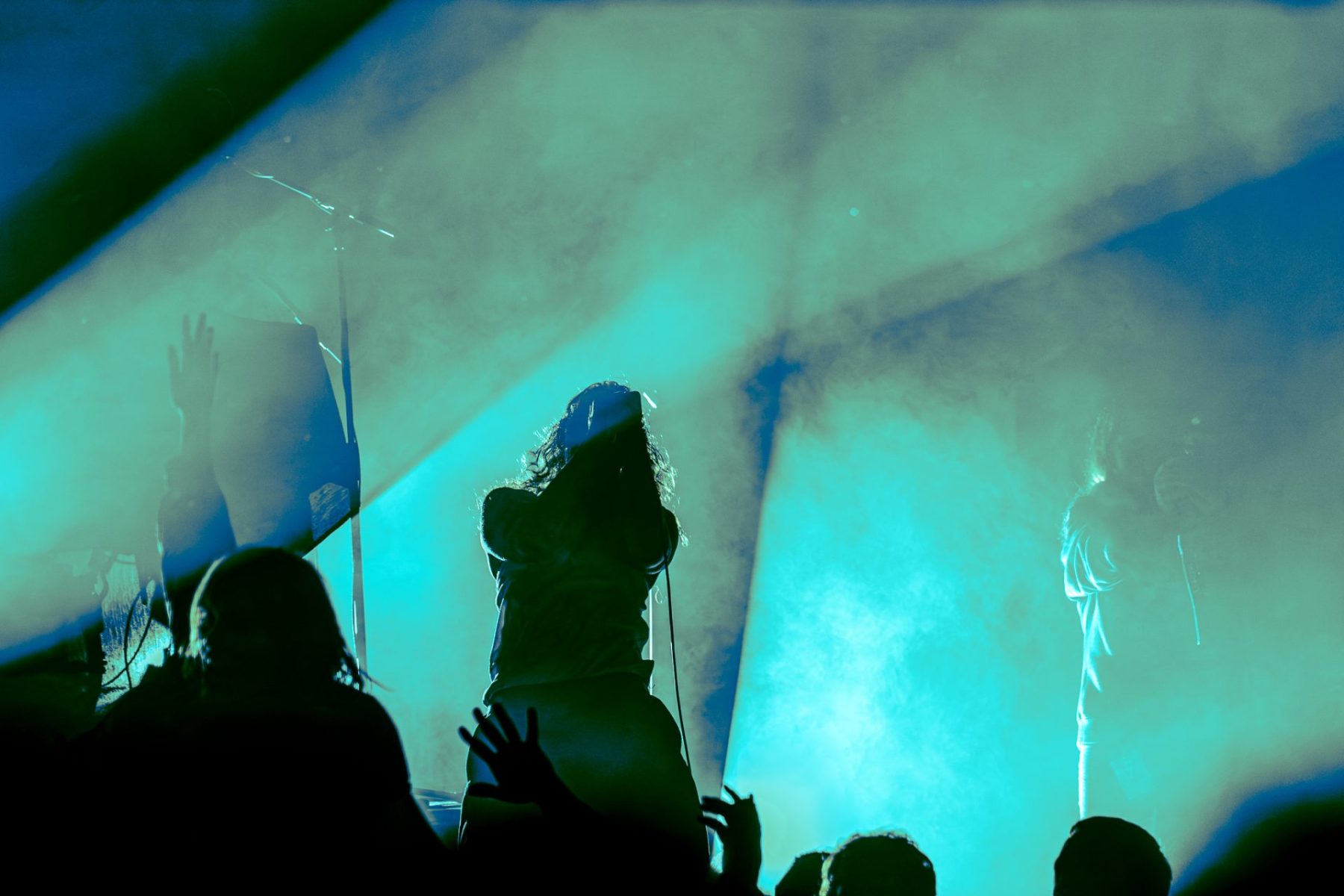
The stage then welcomed the post-hardcore pioneers Saosin. The band’s execution of clean, high vocals blended with violent screams and hardcore riffs on their Translating The Name EP, which was a template used by dozens of Warped Tour and Drive-Thru-Records-type bands. Saosin’s self-titled album, however, shoved them into rock’s mainstream, cementing them as one the era’s giants. Peculiarly, Saosin didn’t open their set with anything from that album. The band opened with “I Can Tell There Was An Accident Here Earlier.” When the song ended, singer Cove Reber raised his fists in the air, like a champion after conquering an opponent and capturing an arena. The crowd erupted. The band blasted into “Starting Over Again,” a standalone single Saosin released earlier this year. The song sounded excellent live, introducing old fans to new music early in the set.
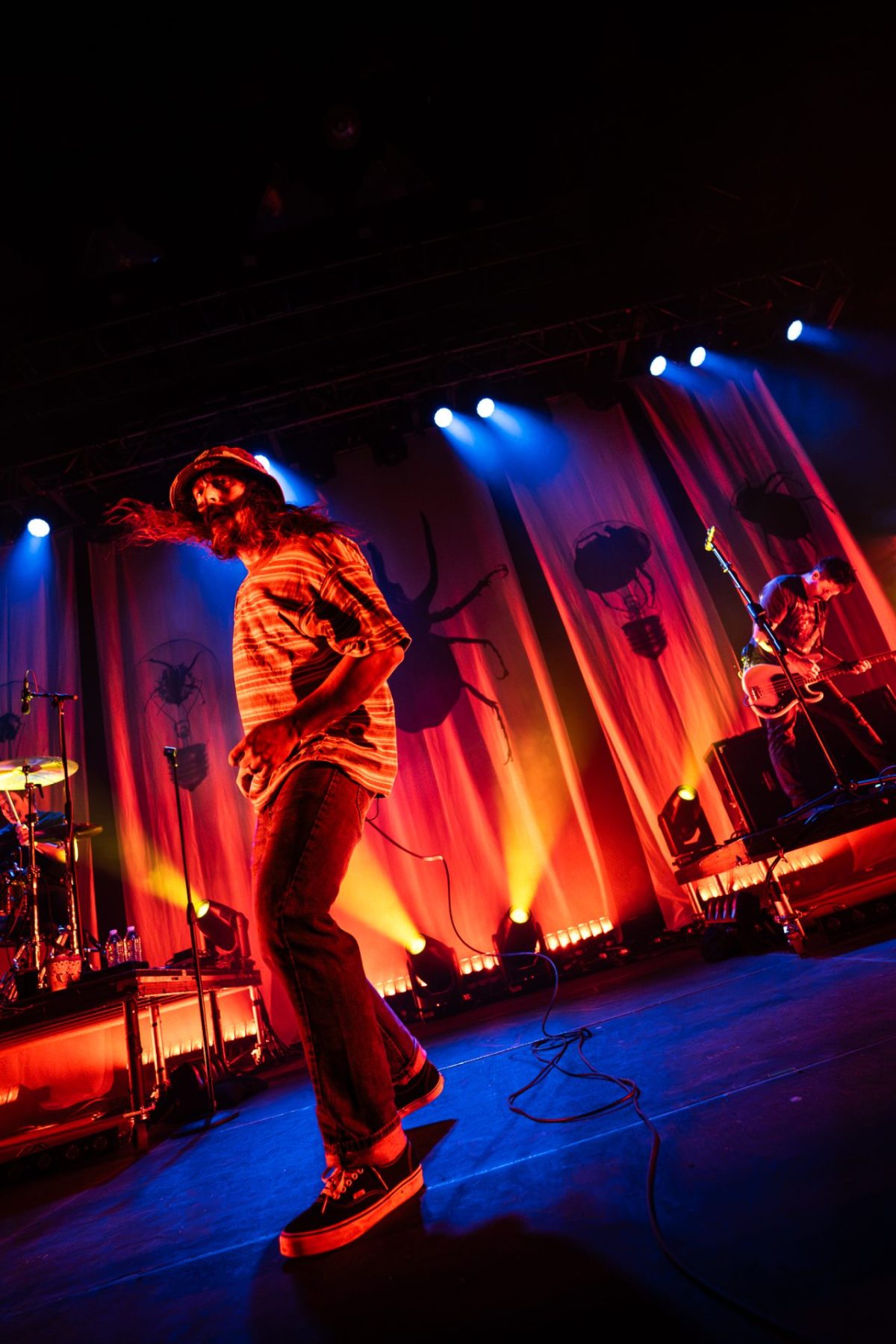
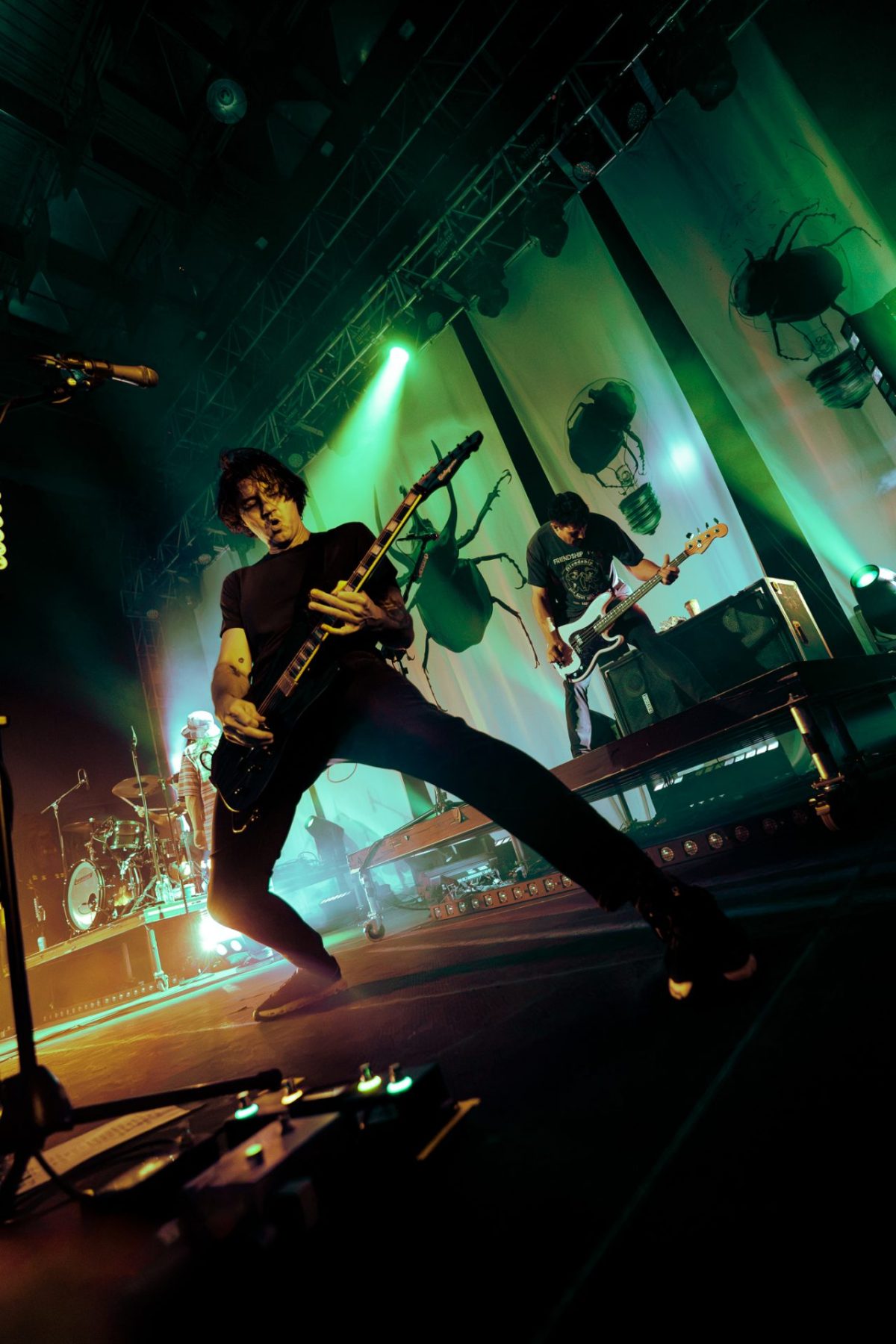
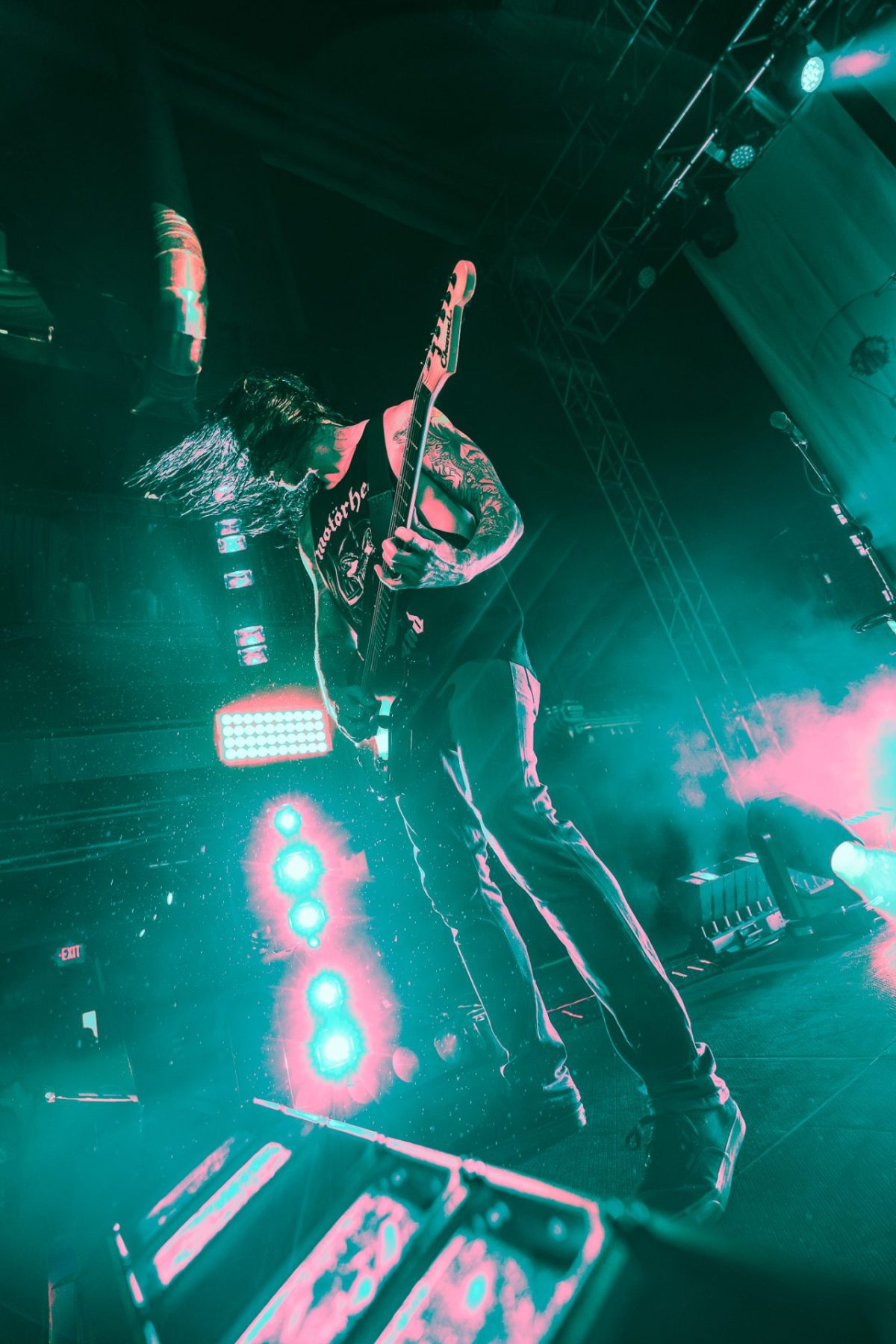
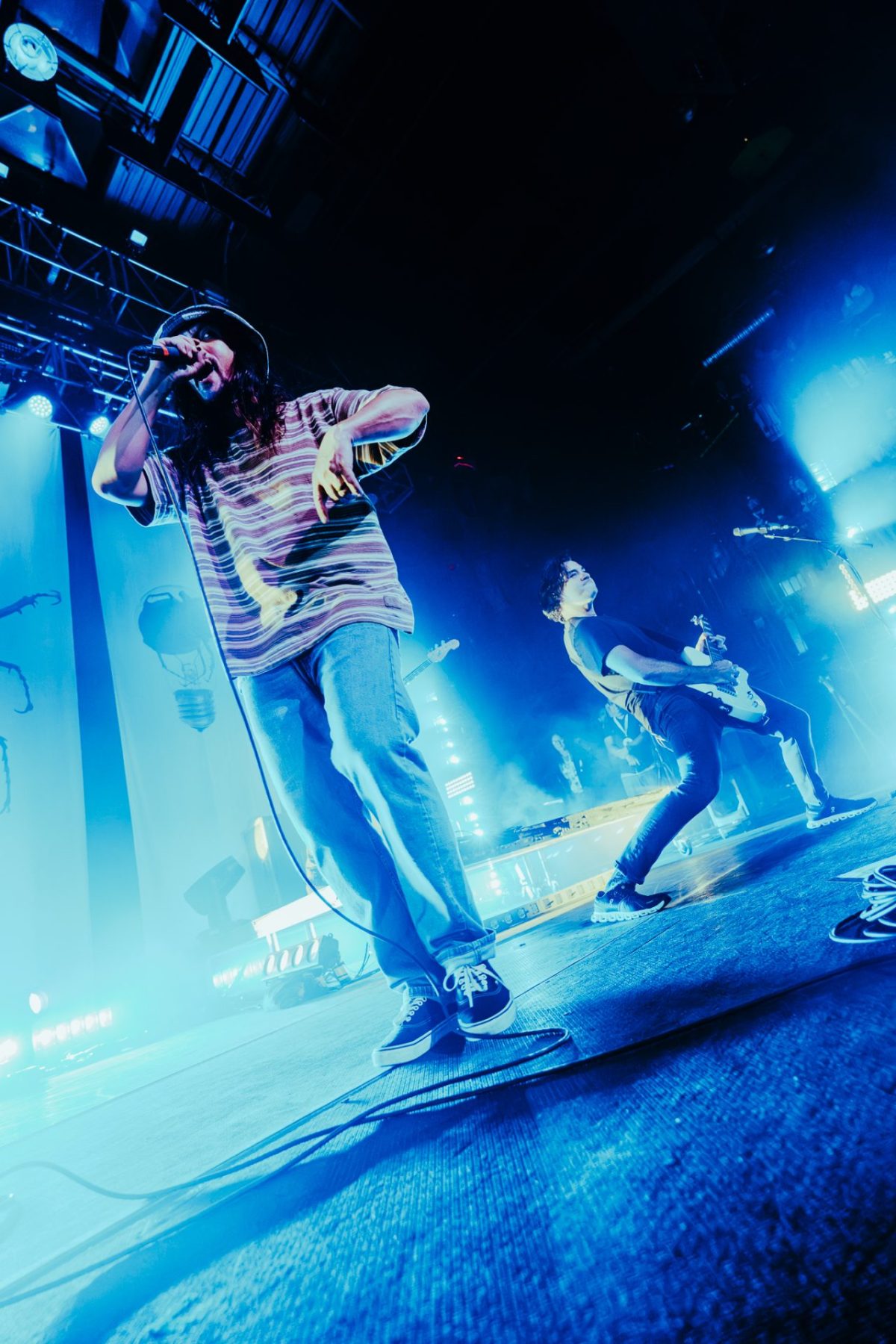
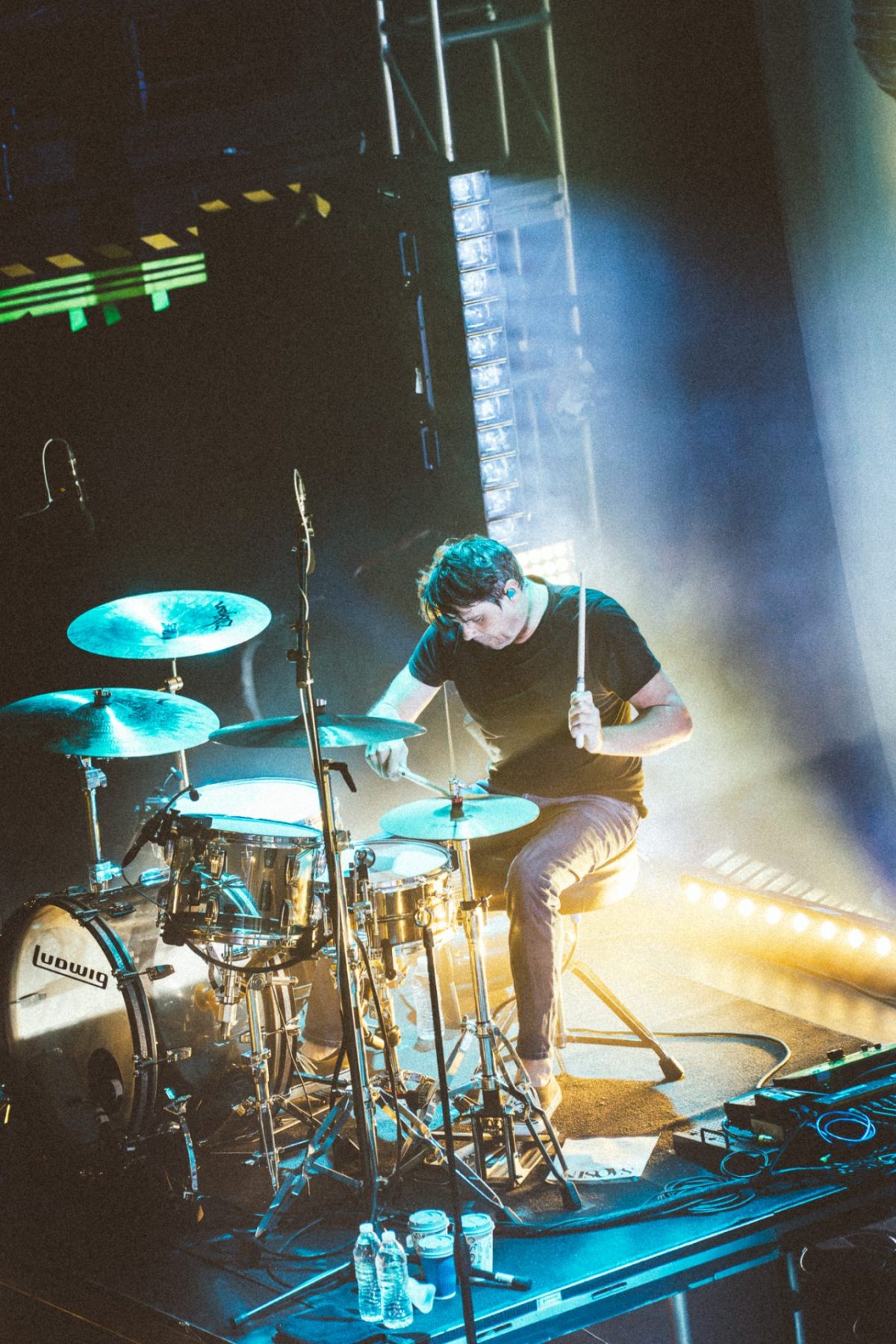
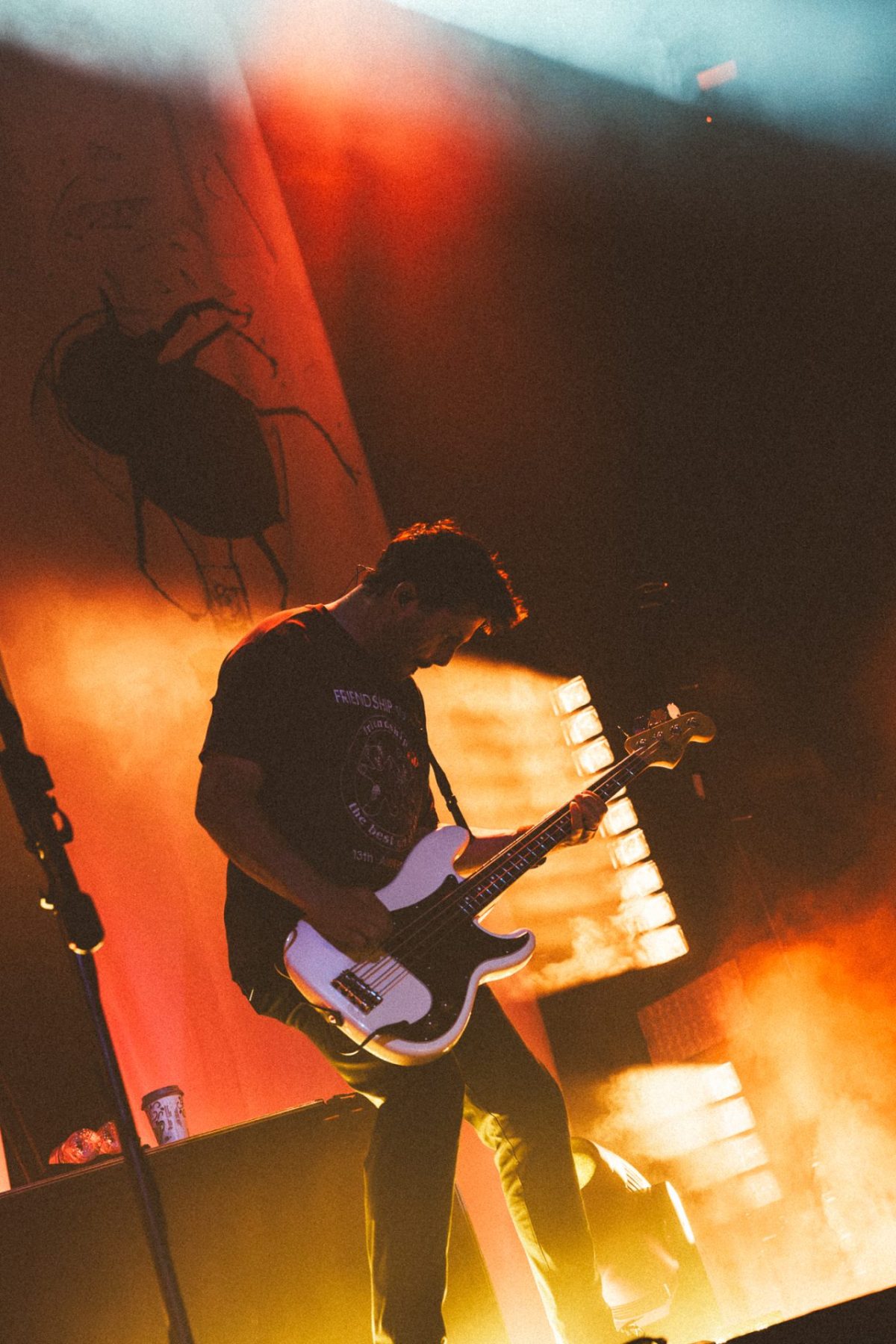
At last, Saosin ripped into their self-titled album. Hands from the crowd shot up as the heavy base rattled the room’s speakers. “It’s Far Better to Learn” transitioned into “Sleepers,” and a mosh pit opened up. Chaos reached the same levels it did 20 years ago, and Saosin sounded as sharp as they did back then. “The next song is the first single we put out off of this record,” Reber yelled into the microphone. The architect of the track and really Saosin in general, Beau Burchell, joined fellow guitarist Justin Shekoski on iconic guitar opening riff of “Voices.” The tune is immensely powerful and important to Saosin. To see the band play it live after all these years felt like watching a great actor reenact the moments that made their career.
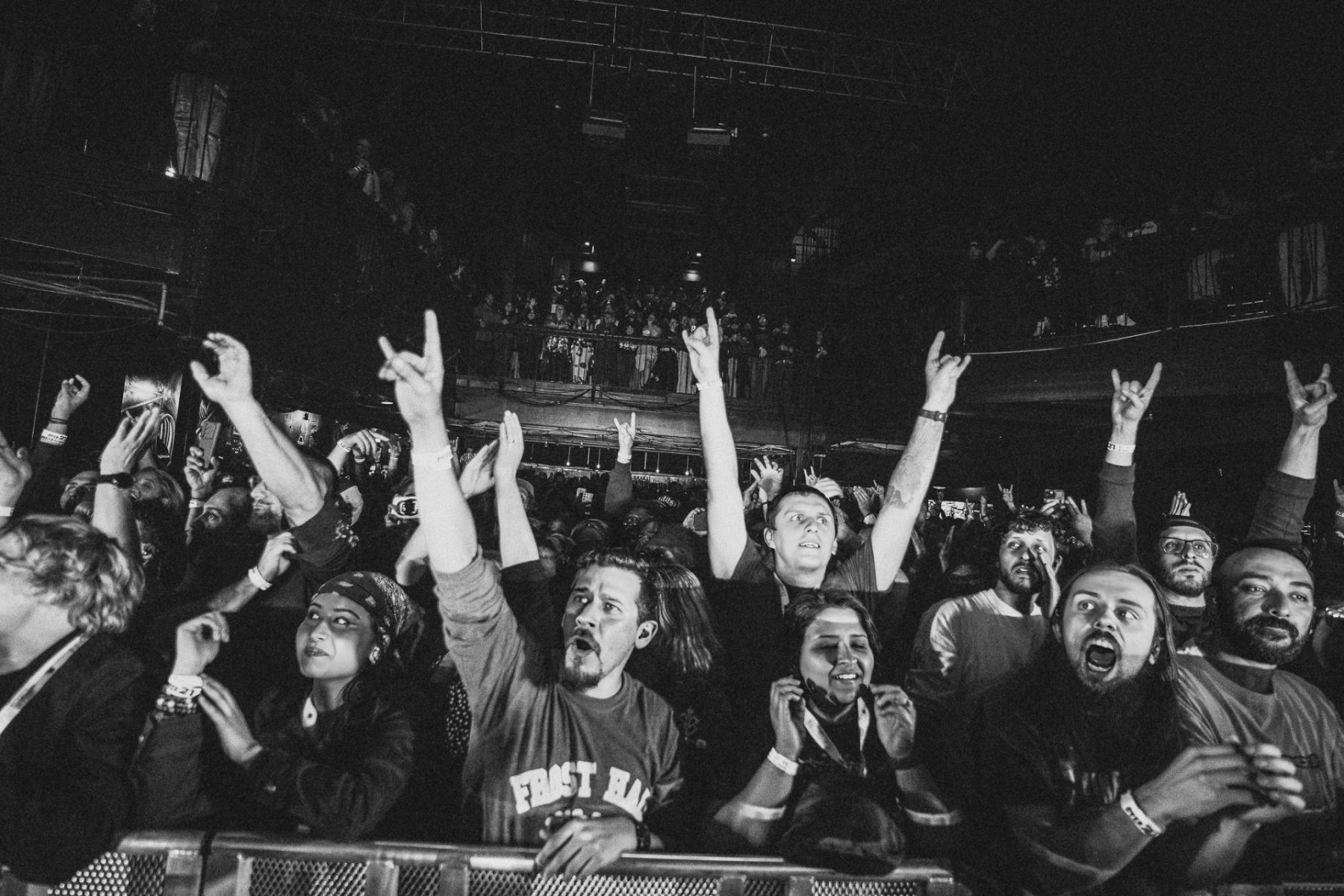
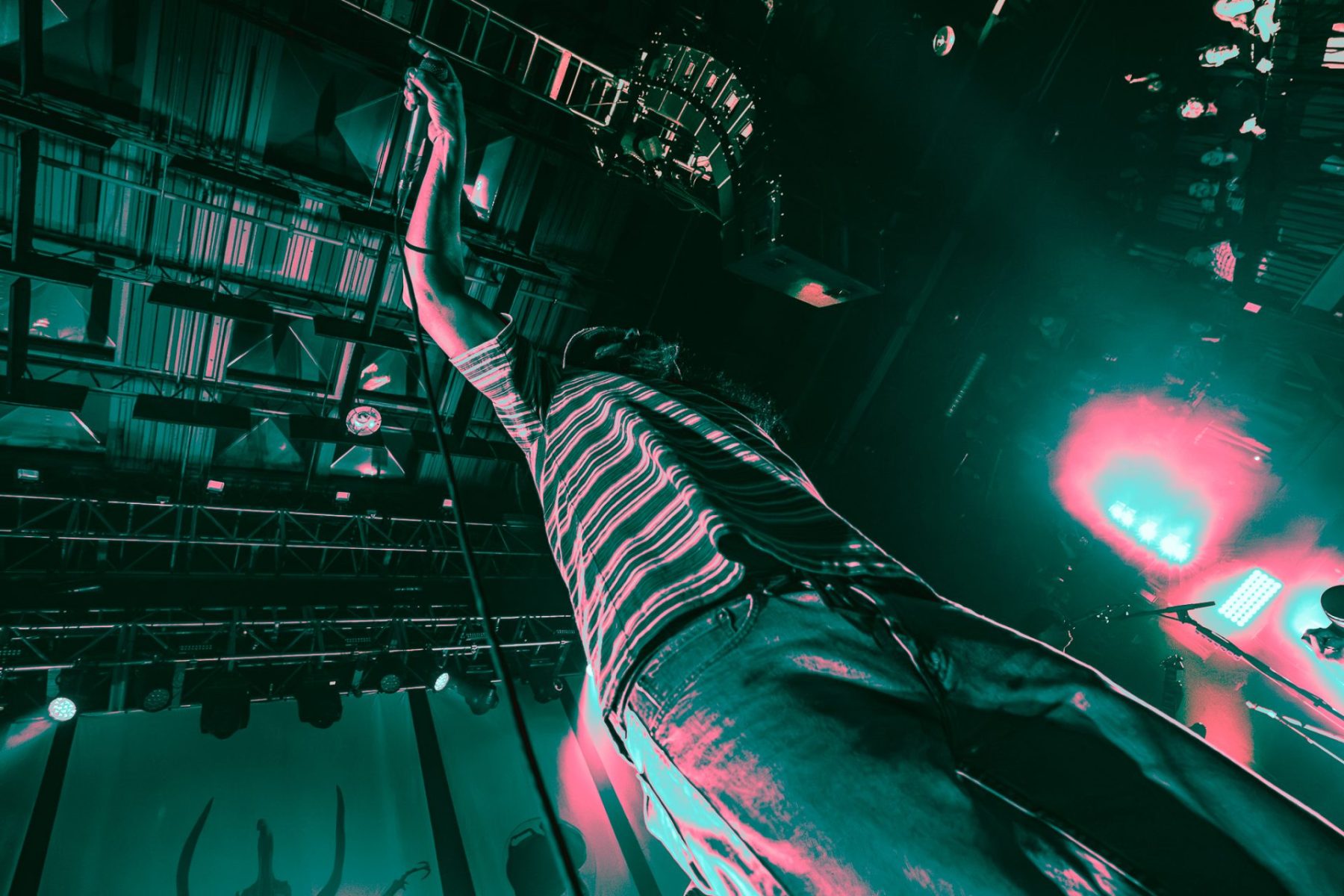
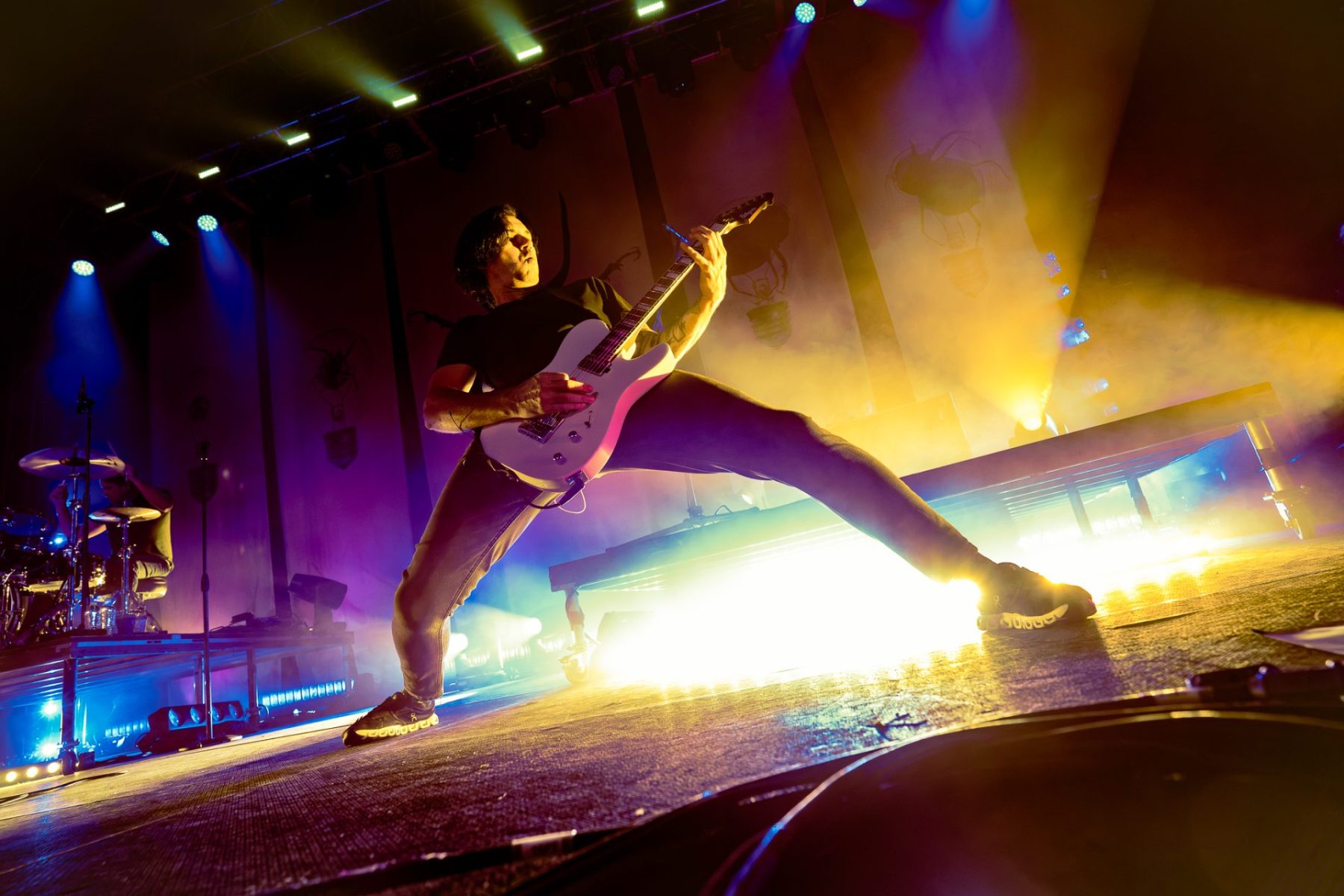

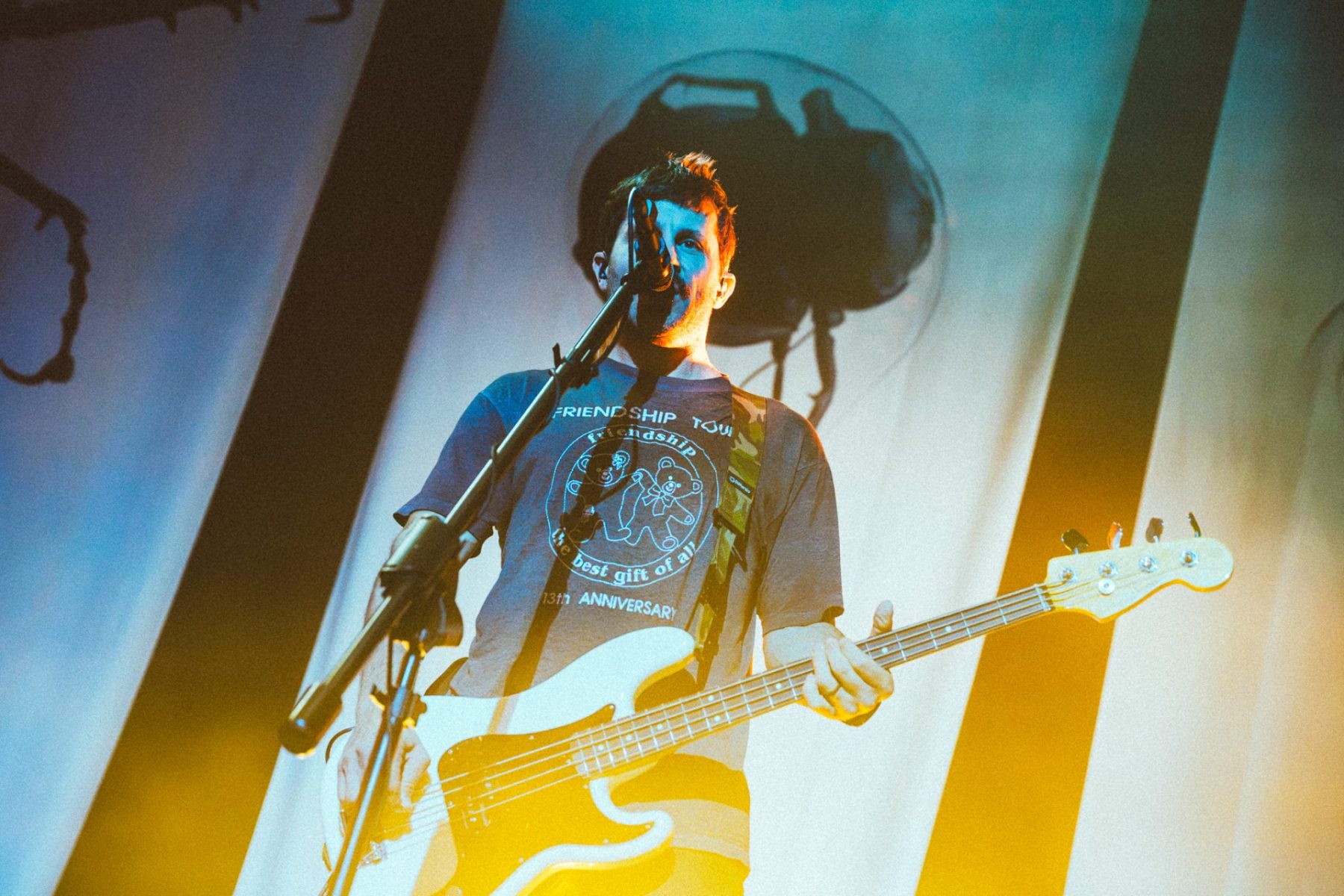
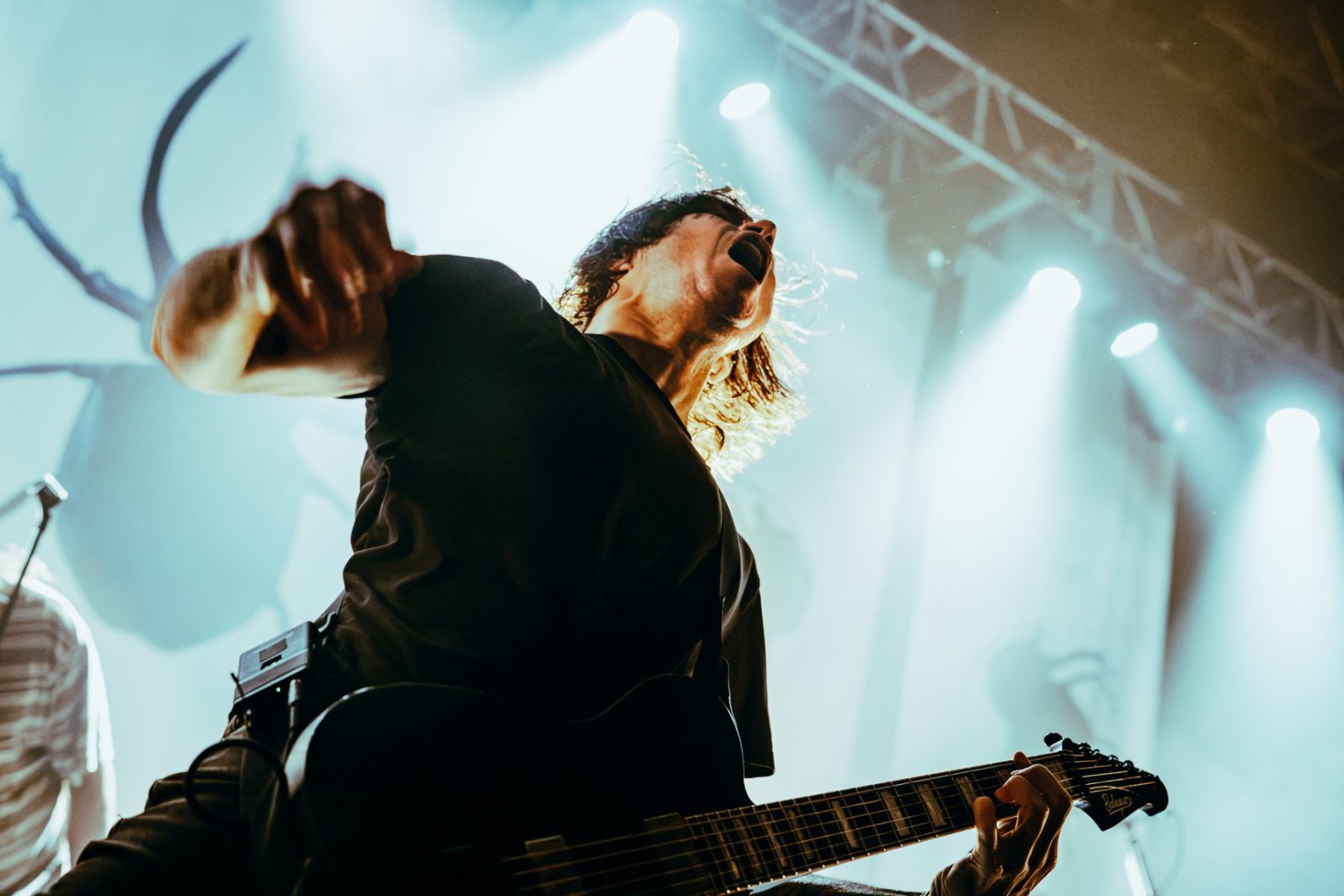
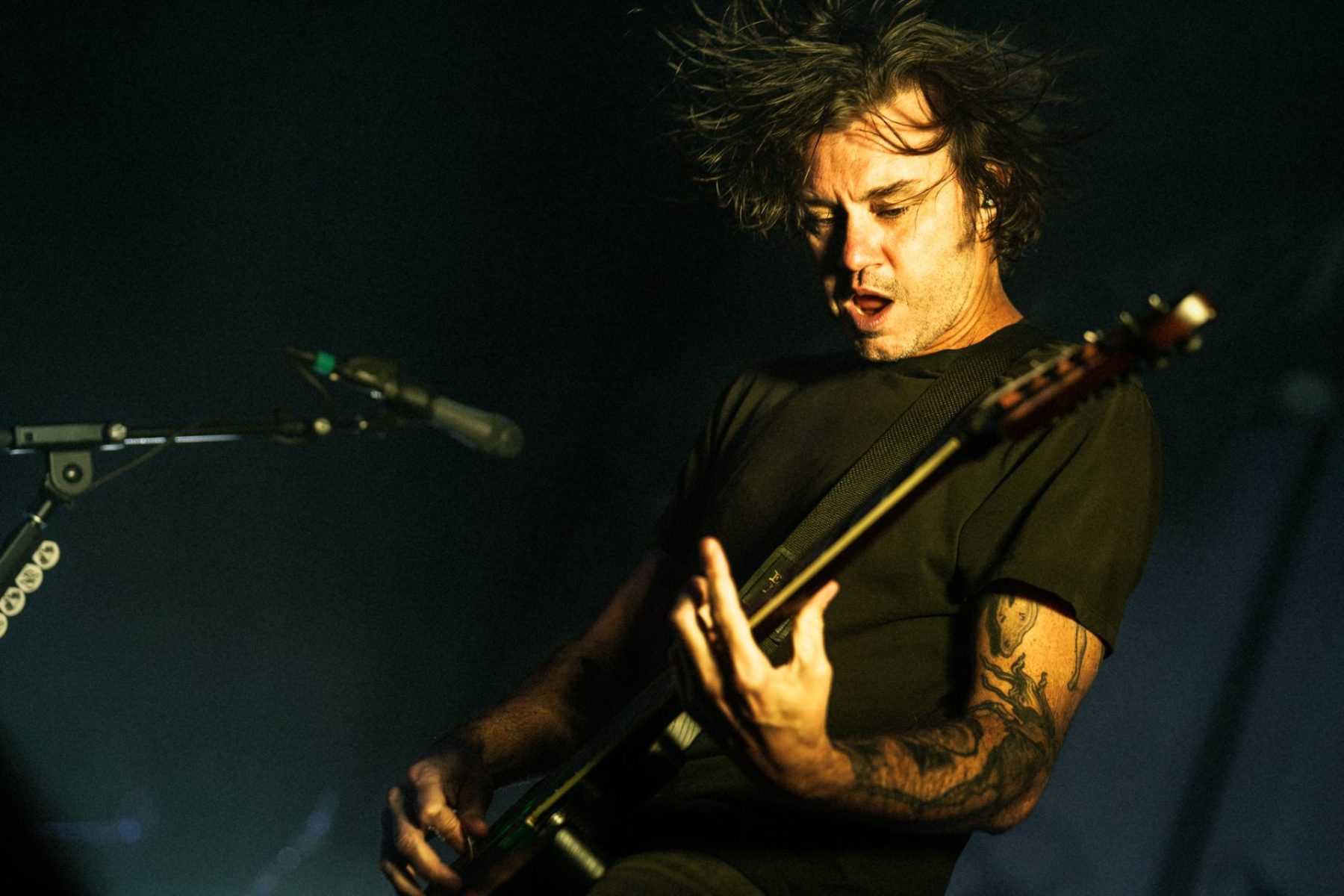
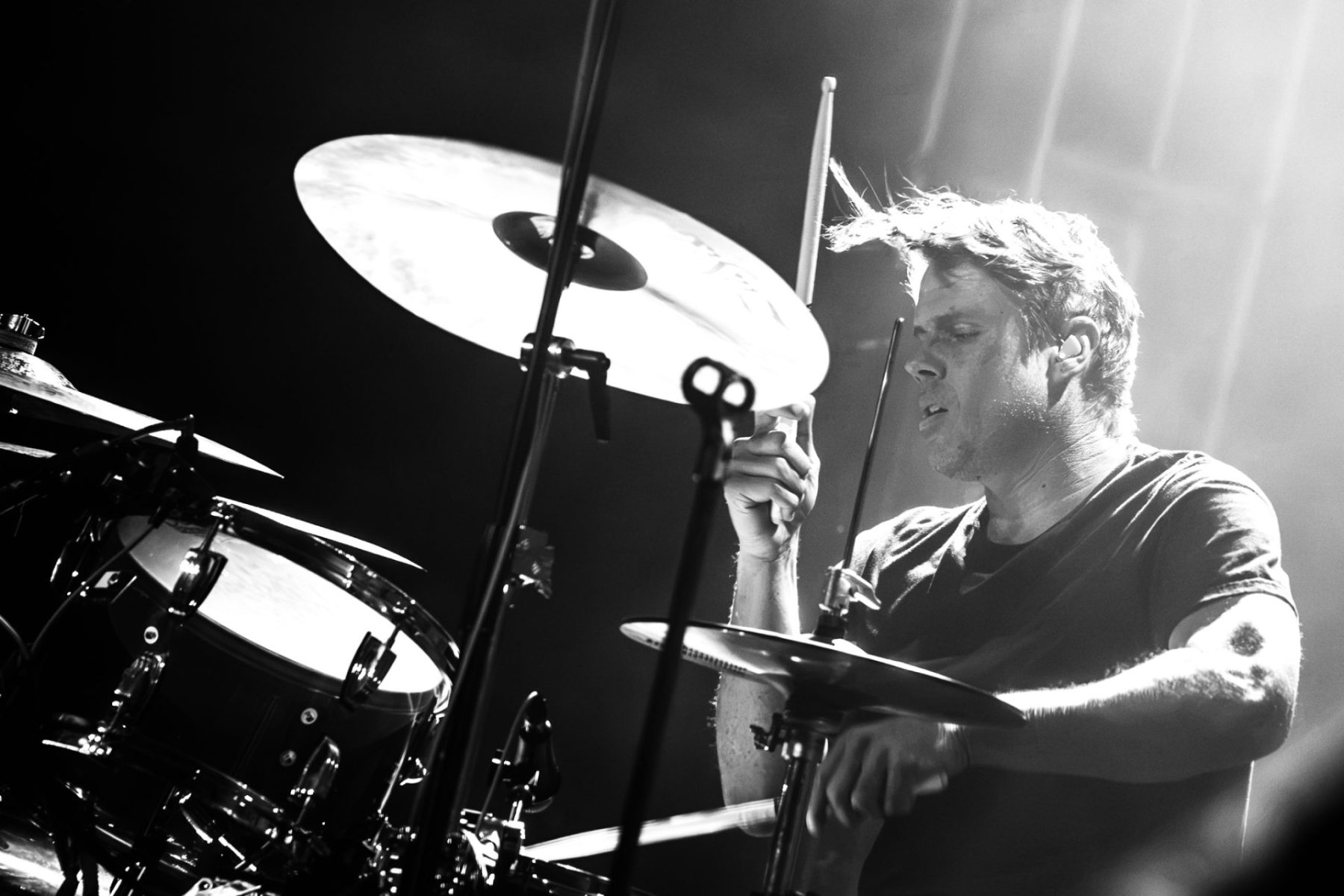
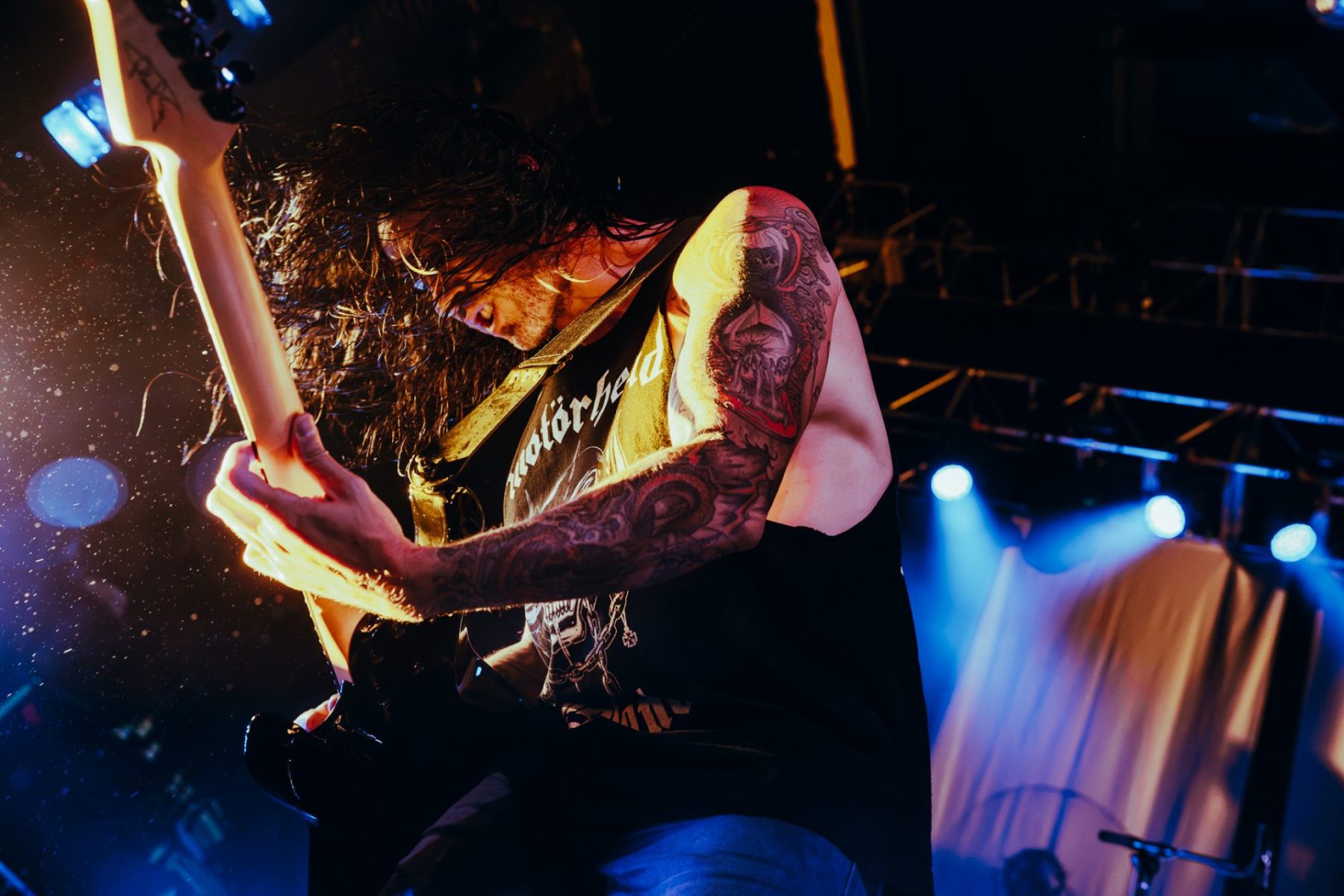
“Here’s a song we don’t get to play often. It’s one of our favorites,” Reber said before the band began performing “Finding Home.” That’s one of the joys of anniversary tours: fans hear songs they figured were gone for good. Seeing that the band still cares about these tracks is a big part of what makes these shows so appealing. Reber also touched on Saosin’s inactivity over the years. “We went dormant, but we are back,” he exclaimed after playing “Come Close.” Reber joked with the crowd and danced on stage at points in the songs he probably normally wouldn’t. If Reber had lost any love for performing, it was clearly back. Like the opening bands, Saosin showered the crowd with praise. It didn’t feel hollow or unwarranted. That room was undoubtedly one of the best rooms of the tour, and the energy was nearly unrelenting. The only moments the crowd broke pace were appropriate, like on the song “Collapse.”
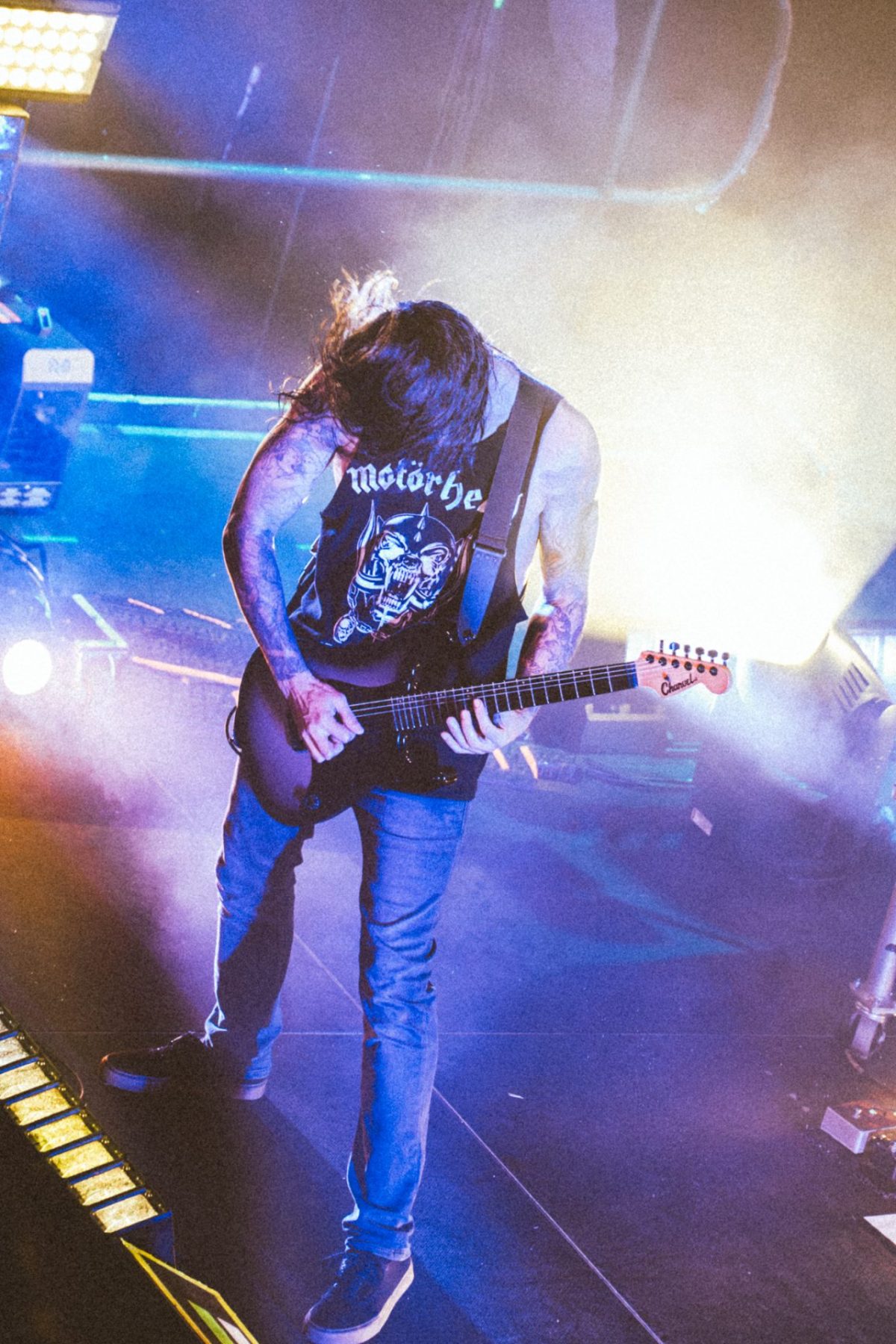
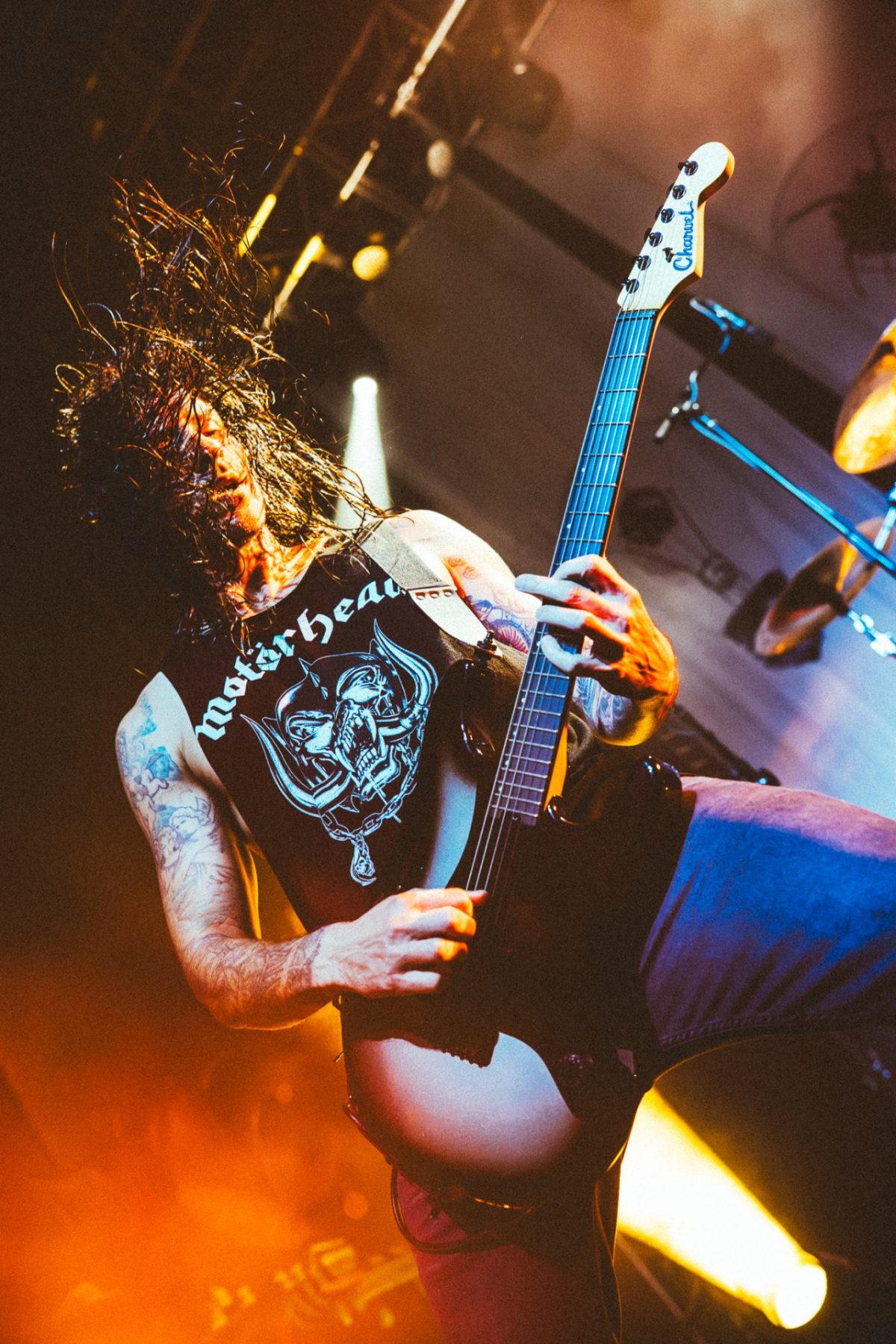
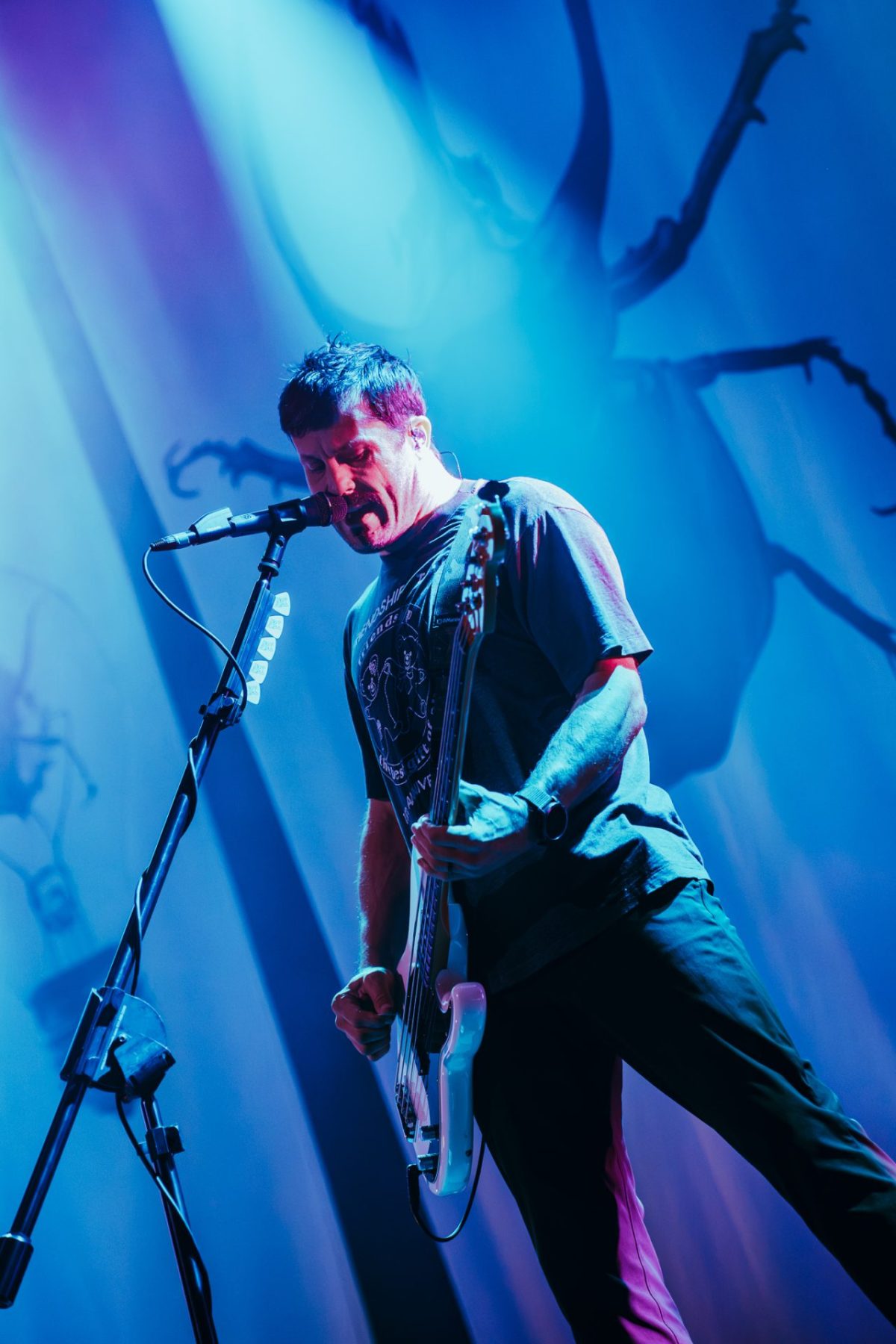
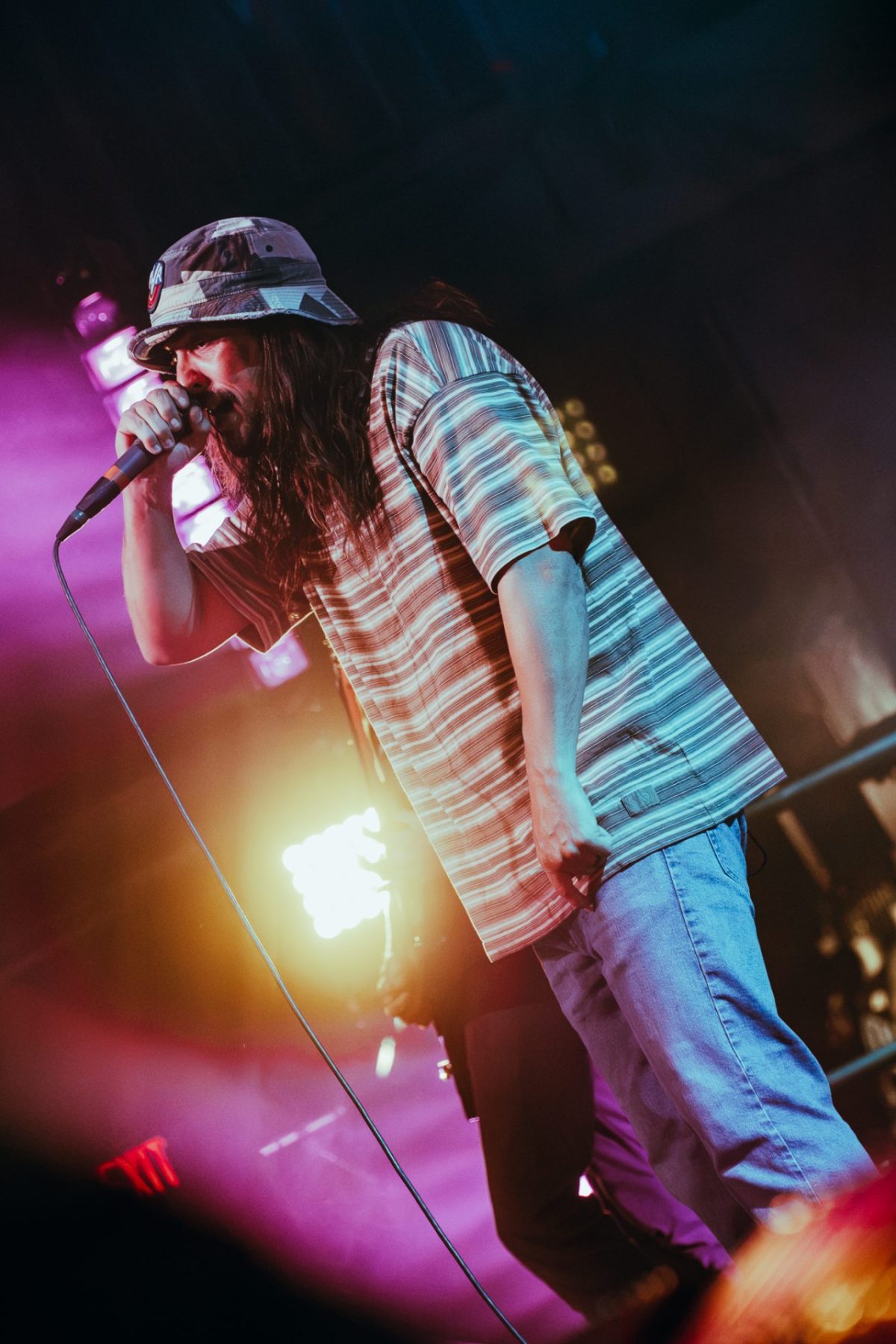
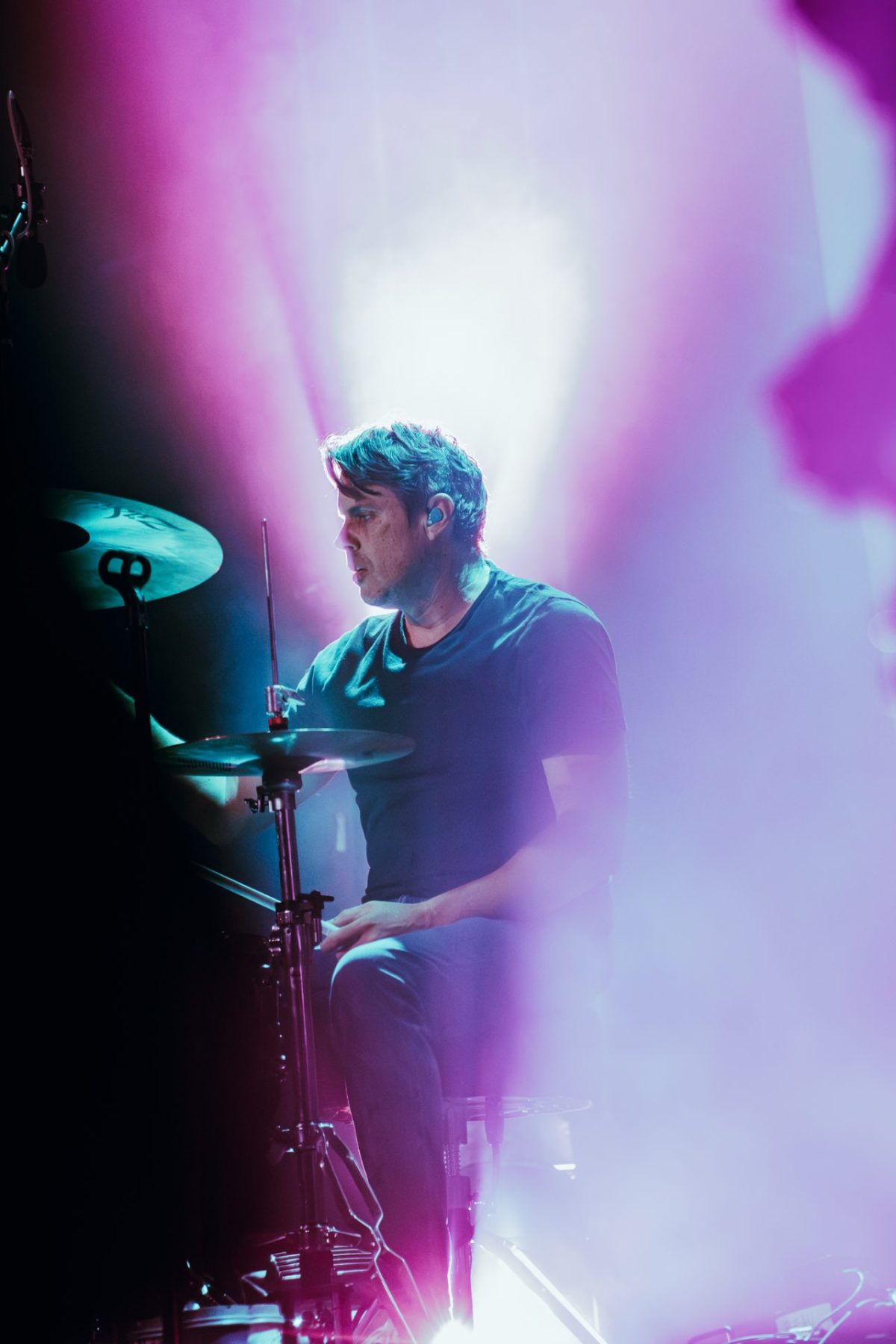
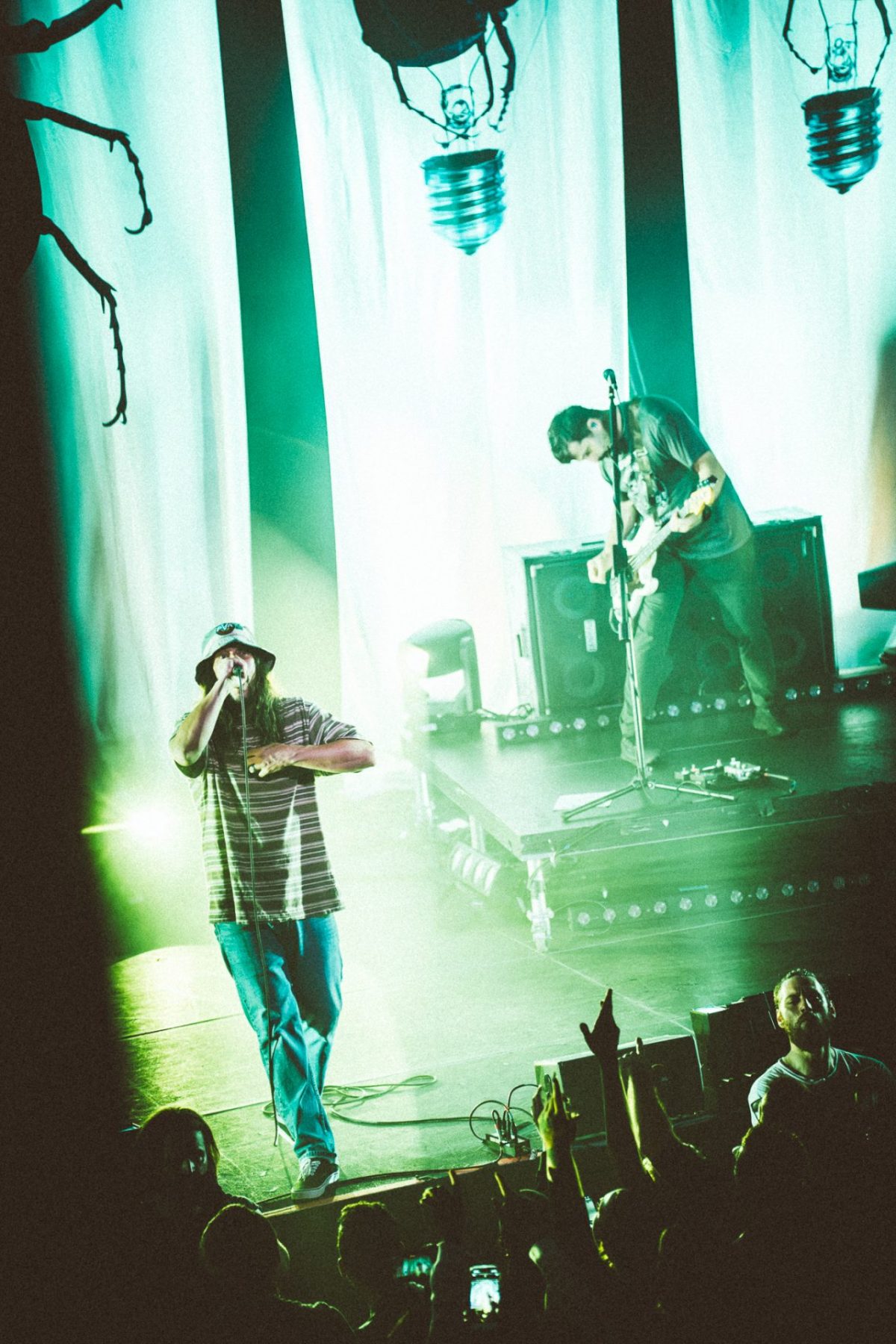
Often times, bands play an album front to back, in order, on their anniversary tours. That was not the case with Saosin. The guys saved their biggest hit, “You’re Not Alone,” for the finale. While it’s the kind of song that delivers the biggest emotional release of a set and was the commercial high point for Saosin, moving it from its place in the album and making it the closer breaks up the album as it was meant to be heard. I’ve never seen a band reorder an iconic album on an anniversary tour. With that said, “You’re Not Alone” is so emotionally potent, it likely deserves the final spot on a setlist. Saosin’s influence is undeniable. The band shaped a sound, paving the way for massive acts in the 2000s. The sheer size and energy of the rooms on the self-titled reunion tour reflect their staying power with fans. Saosin’s core following remained loyal. The songs off of the self-titled album still mean everything to them.